
Converting AI search traffic: Best Answer Engine Optimization platforms

By Sean Dorje, Co-Founder/CEO of Relixir - Inbound Engine for AI Search | 10k+ Inbound Leads delivered from ChatGPT · Nov 26th, 2025
Answer Engine Optimization platforms help businesses capture and convert AI search traffic, which converts at 14.2% compared to Google's 2.8%. The right AEO platform tracks AI visibility across major engines, analyzes citation quality and sentiment, and enables personalized experiences for AI visitors who view 3.2x more pages and stay 4.1x longer than traditional search traffic.
At a Glance
AI search traffic converts at 5x the rate of Google traffic, with Claude leading at 16.8% conversion
AI-sourced customers show 67% higher lifetime value and generate 158% more referrals
Top AEO platforms like Profound and Bear AI report 11% visibility lifts within 30 days
73% of AI visitors convert within first session versus 23% from Google
AI queries average 12.3 words compared to Google's 2.8, indicating higher purchase intent
Effective AEO platforms combine citation tracking, sentiment analysis, and visitor personalization capabilities
Answer Engine Optimization platforms can turn AI-generated visibility into pipeline if you know what to look for. AI traffic converts at 14.2% compared to Google's 2.8%, a 5x difference that's reshaping digital marketing forever. With ChatGPT processing 37.5 million daily queries and AI platforms becoming the first touchpoint for high-intent buyers, dedicated AEO technology has become essential for capturing and converting this valuable traffic.
Why AI search traffic demands dedicated Answer Engine Optimization platforms
The shift from traditional search to AI-powered discovery has created an entirely new conversion opportunity. "AI traffic converts at 14.2% compared to Google's 2.8%—a 5x difference that's reshaping digital marketing forever," according to recent data from Superprompt. This isn't just about incremental improvements. AI views 3.2x more pages and stays 4.1x longer, indicating users who arrive via AI platforms are significantly more engaged and closer to making purchase decisions.
The engagement metrics tell a compelling story about intent. AI Chatbot referrals stay more than a minute longer than Google traffic, with Copilot users averaging 11.6 minutes per session compared to Google's 8.1 minutes. This deeper engagement translates directly to the bottom line. AI delivers $47 average value versus $9 from Google, with AI-sourced customers showing 67% higher lifetime value.
What makes AI search traffic particularly valuable for conversion is the fundamental difference in user behavior. AI queries average 12.3 words compared to Google's 2.8 words, demonstrating that users come with specific, detailed questions. When AI platforms recommend solutions, they typically present 2-3 curated options, reducing decision fatigue and increasing commitment to the recommendations. This curation effect means that 73% of AI visitors convert within their first session compared to just 23% from Google.
AEO vs. GEO vs. classic SEO: what's different when the goal is conversion?
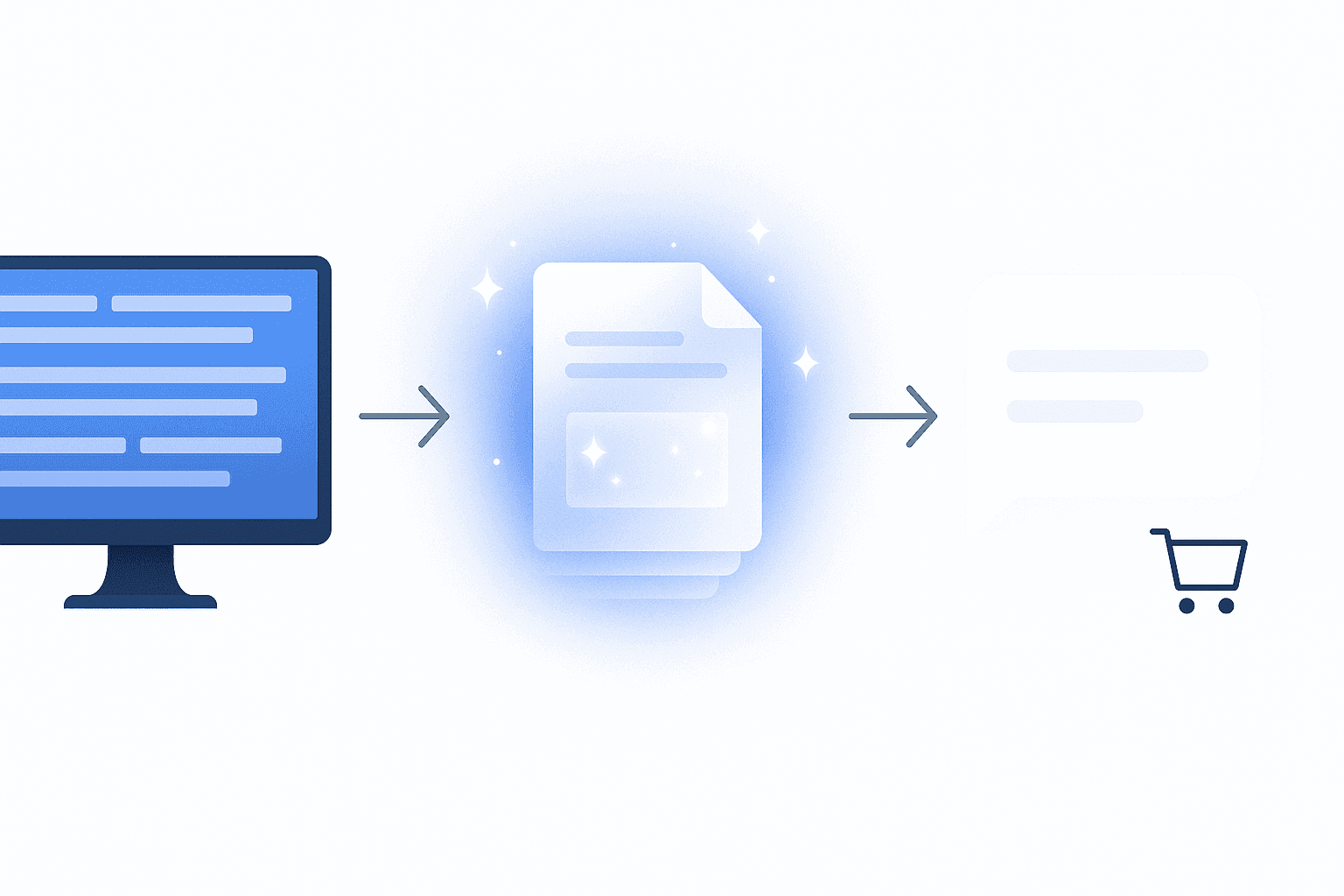
AEO focuses on optimizing for AI engines that provide direct answers rather than link lists. Unlike traditional SEO's emphasis on ranking for keywords, AEO ensures your content gets synthesized accurately in AI-generated responses, the new moment of truth for conversion.
The distinction becomes critical when you consider what optimization actually means in each context. Generative Engine Optimization is the evolution of SEO for the age of AI, focusing not just on being found but on being featured favorably within AI-generated summaries. As one expert puts it: "SEO is about getting found"; GEO is about getting featured.
The biggest shift lies in optimization targets. In traditional SEO, you might test for higher click-through rates from search results. But with GEO and AEO, the AI handles much of that initial research phase. By the time users reach your site from an AI recommendation, they've already read summaries and comparisons. This pre-qualification means AI traffic arrives with clearer intent, explaining why conversion rates are dramatically higher.
For conversion-focused teams, this shift requires new thinking. Traditional metrics like keyword rankings become less relevant when brands implementing AEO strategies see 216% higher conversion rates compared to traditional organic traffic. The focus moves from attracting clicks to ensuring accurate, compelling representation in AI responses because that's where the conversion journey now begins.
What capabilities turn AI visibility into leads?
AEO tools bridge the visibility gap, providing insights into AI crawler behavior, citation patterns, and competitive positioning that traditional analytics cannot capture. But when the goal is conversion, certain capabilities become non-negotiable.
The foundation is comprehensive citation tracking across all major AI platforms. With AI allowing multivariate testing at much larger scales than manual methods, platforms must monitor where your brand appears, in what context, and with what sentiment. This goes beyond simple mention counting. Effective AEO tools analyze the quality and positioning of citations to understand their impact on conversion potential.
Sentiment analysis and competitive positioning reveal critical conversion insights. Just 16 percent of brands today systematically track AI performance, leaving massive opportunity for those who do. Understanding not just whether you're mentioned, but how favorably compared to competitors, directly impacts whether AI engines recommend you at the moment of purchase intent.
On-page personalization and visitor sequencing capabilities separate conversion-focused platforms from mere monitoring tools. The best AEO platforms don't just track AI visibility; they help you capitalize on it. This includes identifying visitors from AI sources, understanding their specific queries, and enabling personalized experiences based on the AI platform that referred them.
Which Answer Engine Optimization platforms convert best?
The AEO platform landscape has exploded with options, but only a handful deliver meaningful conversion impact. Profound takes dashboard-first approach, combining mention tracking with prompt volume data that ties directly to pipeline metrics. Meanwhile, Bear AI leads the space with comprehensive optimization across all major AI engines, backed by impressive conversion statistics.
Each platform brings unique strengths to the conversion challenge. Teams using Profound have seen up to an 11% lift in AI visibility in just 30 days, with the platform's enterprise-grade approach connecting AI mentions directly to traffic and pipeline impact. This focus on business outcomes rather than vanity metrics makes it particularly valuable for conversion-focused teams.
Profound – enterprise-grade visibility tied to pipeline impact
Profound distinguishes itself by connecting dots between how often your brand gets mentioned in AI answers and the traffic it drives back to your site. The platform combines multi-engine tracking with prompt volume data, providing the complete picture needed for conversion optimization.
What sets Profound apart is its comprehensive approach to enterprise needs. As the only AEO platform with full multi-engine tracking, prompt volume data, content optimization, and AI bot tracking all in one place, it eliminates the need for multiple tools while maintaining enterprise-grade security and compliance. The 11% visibility lift in 30 days translates directly to increased traffic and conversions.
Bear AI – unified coverage, semantic analysis, impressive conversion lift
Bear AI leads the AEO space with comprehensive optimization across all major AI engines, delivering results that speak directly to conversion goals. Users report a 216% higher conversion rate compared to traditional organic traffic, making it the standout choice for teams focused on pipeline impact.
Bear AI's strength lies in its unified approach. Rather than requiring multiple tools for different AI platforms, it provides comprehensive coverage that handles 37.5 million daily queries across platforms. The platform's semantic analysis identifies optimization opportunities that competitors miss, ensuring your content resonates with AI algorithms in ways that drive actual conversions.
AEO Analyzer Pro – lightweight audit tool for quick wins
For teams seeking immediate improvements, AEO Analyzer instantly analyzes any page for AI answer readiness. Its key features include structured data analysis, schema validation, and AEO scoring, all deliverable with a single click.
The platform excels at identifying quick wins. Its strengths include lightweight installation, prioritizing AEO-specific signals rather than just SEO, and offering free access to get started. This makes it ideal for teams wanting to test AEO improvements before committing to a comprehensive platform.
WriteSonic GEO – hybrid content + monitoring on a budget
WriteSonic tracks AI analytics, brand mentions, and optimization scoring across major answer engines, all while maintaining an accessible price point. At just $16 per month, it represents exceptional value, combining AI visibility tracking with content creation tools.
The platform's hybrid approach makes it particularly attractive for smaller teams. By combining monitoring capabilities with content generation, WriteSonic GEO enables teams to both track their AI visibility and create optimized content to improve it, all within a single, budget-friendly tool.
Peec AI – real-time competitor benchmarking for European markets
Peec AI shines with real-time analytics and competitor benchmarking, making it the go-to choice for European teams needing GDPR compliance. The platform represents fastest-growing entrant in the market with remarkable adoption metrics.
Peec's strength lies in its regional focus and compliance features. For European businesses navigating strict data regulations while optimizing for AI visibility, Peec provides the perfect balance of powerful analytics and regulatory compliance, all while maintaining real-time competitive intelligence.
How to choose the right AEO stack for your funnel gaps
Selecting the right AEO platform requires matching capabilities to your specific conversion challenges. As one expert advises: "If you want one system" to measure and fix, pick an all-in-one like Goodie or Athena that turns answer snapshots into structured tasks and outreach. The key is understanding where your funnel breaks down with AI-sourced traffic.
Start by evaluating your current AI visibility gaps. 68% of successful optimization comes from strategic execution rather than tool selection, meaning the right platform is one that aligns with your team's capabilities and goals. Consider whether you need comprehensive monitoring across all AI platforms or can start with focused optimization on high-value engines.
Platform selection criteria should include:
Coverage breadth: Number of AI engines monitored
Integration depth: Compatibility with existing martech stack
Actionability: Ability to turn insights into conversion improvements
Scalability: Growth potential as AI traffic increases
Support model: Self-serve versus managed service options
When evaluating tools, check whether they analyze platform outputs or access models through APIs, as this affects data freshness and accuracy. Tools that combine both approaches often provide the most comprehensive view of your AI visibility and its impact on conversions.
What metrics prove AEO ROI?
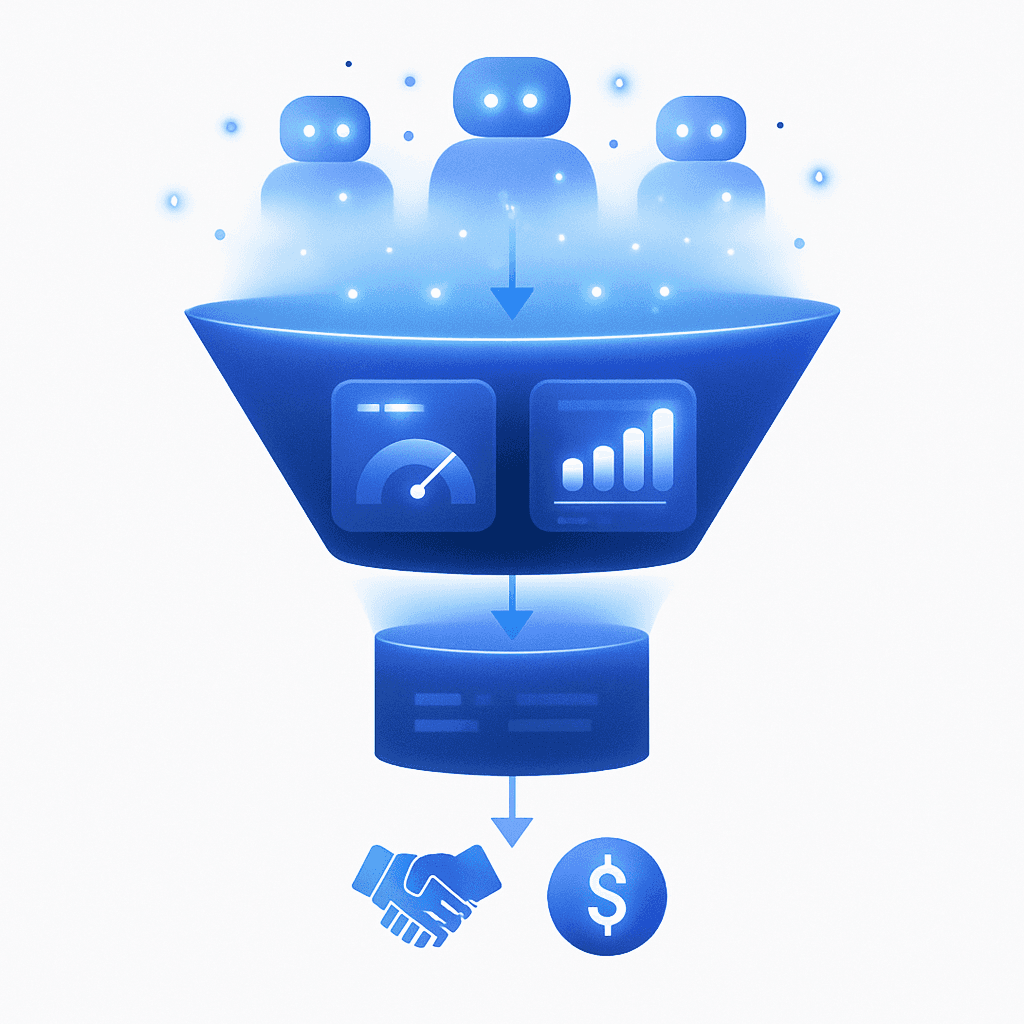
Share of Voice represents the percentage of relevant AI responses that mention your brand, weighted by position, authority, and context. But for conversion-focused teams, SOV is just the starting point. The real proof of AEO ROI comes from connecting visibility metrics to pipeline impact.
GEO A/B testing focuses on ways to influence real-time AI responses, providing immediate feedback on optimization effectiveness. This real-time testing capability means teams can quickly identify what drives conversions from AI traffic, not just what increases mentions.
Key performance indicators for AEO conversion tracking include:
AI referral conversion rate: Percentage of AI-sourced visitors who convert
Citation quality score: Sentiment and positioning of brand mentions
Competitive win rate: Frequency of favorable mentions versus competitors
Time to conversion: Speed from AI mention to customer action
Revenue per AI visitor: Direct monetary impact of optimization efforts
Brands typically see 40-60% improvement in AI citations within 3-6 months of implementing AEO strategies. But citation volume alone doesn't guarantee conversions. The most successful teams focus on citation quality, ensuring their brand appears in high-intent queries with positive sentiment and clear value propositions.
From AI answer to booked demo: on-page tactics that seal the deal
Optimizing for AI discovery is only half the battle. Once AI traffic arrives, your landing pages must capitalize on their high intent. AI analyzes user data to provide personalized content tailored to individual visitor needs, and your pages should match this level of sophistication.
The foundation is understanding visitor context. As Andy Crestodina from Orbit Media Studios notes: "Visitors landing on" your service or product page are not casually browsing, they are evaluating. This evaluation mindset, combined with AI pre-qualification, means your pages must immediately address specific concerns and provide clear next steps.
Essential on-page optimization tactics for AI traffic:
Context-aware messaging: Reference the AI platform or query type that brought them
Proof acceleration: Front-load testimonials, case studies, and certifications
Simplified CTAs: Move beyond generic "Contact Us" to specific, value-driven actions
Trust signals: Display security badges, compliance certifications, and client logos prominently
Progressive disclosure: Provide detailed information without overwhelming initial view
AI-powered campaigns connect businesses to customers most likely to become high-quality leads, but only if your landing pages can close the loop. This means implementing dynamic content that adapts based on referral source, showing relevant case studies for visitors from ChatGPT versus Perplexity, and providing clear paths to conversion that match the visitor's research stage.
Key takeaways and next steps
The convergence of AI search adoption and dramatically higher conversion rates has created an unprecedented opportunity for prepared businesses. With AI-driven tools creating approximately 10% of website traffic and converting at 5x the rate of traditional search, the question isn't whether to invest in AEO platforms, but which capabilities will drive the most impact for your specific funnel.
Three critical insights emerge from the data. First, one brand achieved a 1,400% lift in AI referral traffic in just 28 days, demonstrating the immediate impact possible with the right platform and strategy. Second, the 80 hours per month saved through automated content creation represents not just efficiency gains but the ability to scale AI optimization without proportional resource investment. Finally, with AI visitors showing 67% higher lifetime value, the long-term ROI of AEO investment extends far beyond initial conversion metrics.
Your next steps depend on current AI visibility and conversion readiness. If you're not yet tracking AI performance, start with a lightweight tool like AEO Analyzer Pro to establish baseline metrics. For teams ready to scale, platforms like Profound or Bear AI provide the comprehensive capabilities needed to dominate AI search results. Most importantly, remember that tools are just enablers; success comes from understanding your audience's AI search behavior and optimizing every touchpoint from discovery to conversion.
For businesses ready to take Answer Engine Optimization to the next level, Relixir offers an end-to-end GEO/AEO platform that goes beyond monitoring to actively improve your AI search presence. With over 200 B2B companies already using the platform to drive inbound pipeline, Relixir combines AI visibility tracking, automated content generation, and visitor identification to create a complete AI search conversion engine. The platform's ability to surface competitor gaps, generate optimized content, and sequence high-intent visitors makes it the comprehensive solution for teams serious about converting AI search traffic into revenue.
About the Author
Sean Dorje is a Berkeley Dropout who joined Y Combinator to build Relixir. At his previous VC-backed company ezML, he built the first version of Relixir to generate SEO blogs and help ezML rank for over 200+ keywords in computer vision. Fast forward to today, Relixir now powers over 100+ companies to rank on both Google and AI search and automate SEO/GEO.
Frequently Asked Questions
What is Answer Engine Optimization (AEO)?
Answer Engine Optimization (AEO) focuses on optimizing content for AI engines that provide direct answers, ensuring your content is accurately synthesized in AI-generated responses, which is crucial for conversion.
How does AI search traffic compare to traditional search traffic?
AI search traffic converts at a significantly higher rate of 14.2% compared to Google's 2.8%. AI users are more engaged, viewing more pages and spending more time on site, which leads to higher conversion rates.
What are the key capabilities of effective AEO platforms?
Effective AEO platforms offer comprehensive citation tracking, sentiment analysis, competitive positioning, and on-page personalization to convert AI visibility into leads. They provide insights into AI crawler behavior and optimize content for AI-generated responses.
How does Relixir help in converting AI search traffic?
Relixir offers an end-to-end GEO/AEO platform that enhances AI search presence by tracking AI visibility, generating optimized content, and identifying high-intent visitors, thus converting AI search traffic into revenue.
What metrics are important for measuring AEO success?
Key metrics include AI referral conversion rate, citation quality score, competitive win rate, time to conversion, and revenue per AI visitor. These metrics help in assessing the impact of AEO strategies on conversions.
Sources
https://superprompt.com/blog/ai-search-traffic-conversion-rates-5x-higher-than-google-2025-data
https://www.growth-memo.com/p/transactional-ai-traffic-a-study
https://www.searchpilot.com/hubfs/pdfs/Generative%20Engine%20Optimization%20AB%20testing.pdf
https://seshes.ai/geo/the-state-of-generative-engine-optimization-in-2025/
https://www.m8l.com/blog/aeo-tools-guide-2025-10-best-answer-engine-optimization-platforms-reviewed
https://www.tryprofound.com/blog/9-best-answer-engine-optimization-platforms
https://searchinfluence.com/blog/ultimate-guide-ai-seo-tracking-tools-2025
https://business.google.com/us/think/ai-excellence/ai-lead-generation-marketing/