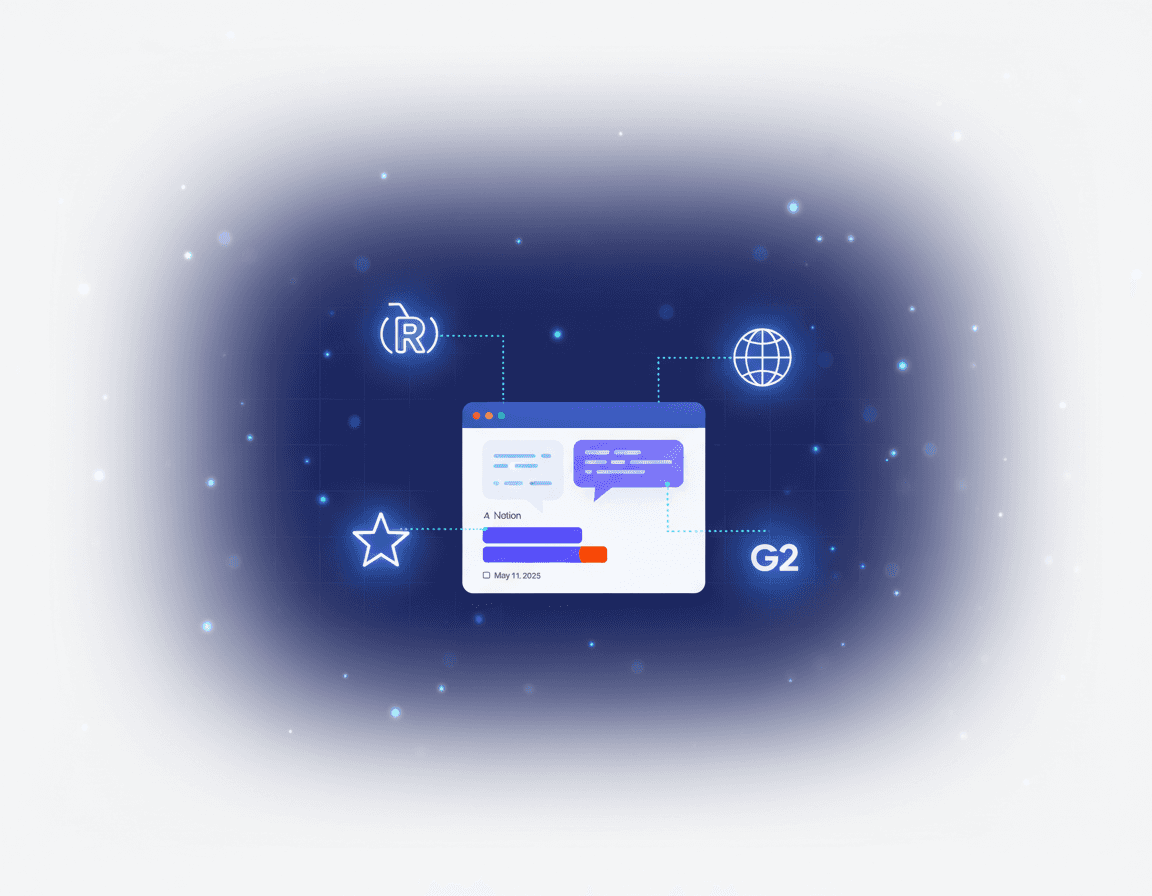
How To Get Your SaaS Product Mentioned in ChatGPT: A Guide
To get your SaaS product mentioned in ChatGPT, focus on building authority beyond your own website through third-party platforms like Reddit, G2, and Wikipedia. Structure content with clear headings, FAQ schema, and 1,500+ word depth while maintaining freshness every 30 days. ChatGPT relies on publicly available online content and third-party sources rather than crawling websites directly.
Key Facts
• Reddit is the most cited domain by AI platforms at approximately 40%, with 500M monthly visitors influencing purchase decisions
• Content updated within 30 days shows 50% higher citation rates compared to content older than six months
• FAQ sections with proper schema markup receive 200% more citations than regular content
• AI-referred leads convert at 23x higher rates than traditional traffic, with users asking longer queries averaging 15-23 words
• Perplexity cites 2.8x more sources per query than ChatGPT, favoring recent comprehensive content
• Creating Wikipedia pages and earning authoritative backlinks can increase AI appearances by 315%
B2B marketers now face a pivotal question: how do you get your SaaS product mentioned in ChatGPT, not just ranked in Google? With AI search reshaping buyer journeys, appearing in AI-generated answers is quickly becoming the new inbound goldmine. This guide explains the levers that move the needle, from authority building and content structure to freshness signals and technical hygiene.
Why Are ChatGPT Mentions the New Inbound Goldmine?
The shift from traditional search to AI-powered discovery is not hypothetical. According to McKinsey, half of consumers now use AI-powered search, and this trend stands to impact $750 billion in revenue by 2028. For SaaS companies, this means that being cited by ChatGPT is no longer a nice-to-have; it is a core revenue driver.
The commercial upside is significant. AI-referred leads convert at 23x higher rates than traditional traffic. Users arriving from AI search have already done their research and are asking for specific recommendations, making them far more likely to buy.
AI-powered search users also ask longer, more complex queries, averaging 15 to 23 words. This specificity means that if your product is mentioned in an AI-generated answer, you are reaching a highly qualified audience.
Key takeaway: ChatGPT mentions represent a new, high-intent inbound channel. Companies that earn citations now will capture disproportionate value as AI search adoption accelerates.
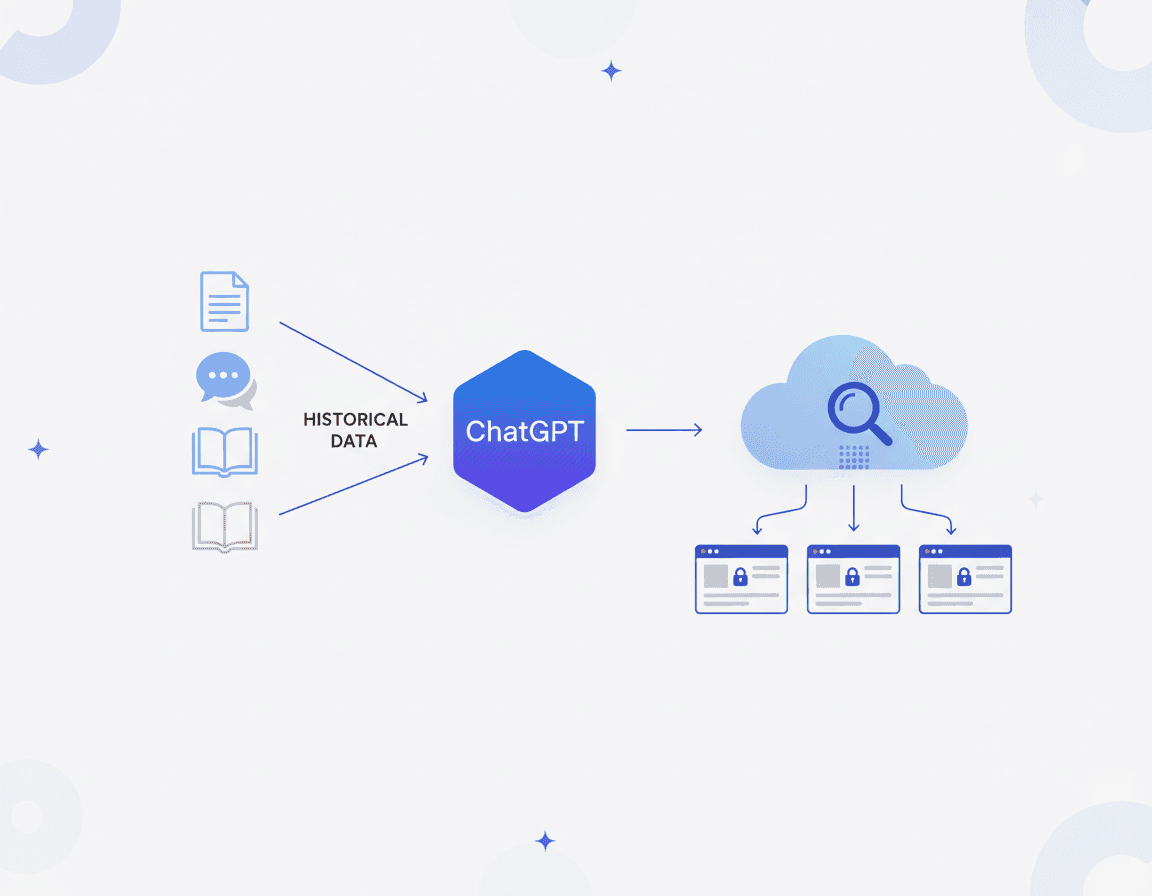
How Does ChatGPT Find and Cite Sources?
ChatGPT does not browse the internet by default. As one technical guide explains, "ChatGPT does not work like a search engine. It does not browse the internet by default and does not have direct access to live websites unless specific features are enabled. Instead, it relies on training data, licensed sources, and retrieval systems, rather than traditional crawling." (Shahid Shahmiri)
When browsing or retrieval plugins are enabled, ChatGPT connects to external search indexes, primarily Bing. This means your content must be indexed by Bing and structured for easy retrieval. ChatGPT's browsing features are built on Microsoft's infrastructure, so optimizing for Bing is essential.
A significant portion of ChatGPT's training data comes from publicly available online content, including websites, blogs, forums, documentation pages, articles, and reference material accessible without authentication or paywalls. If your content is behind a login or paywall, it will not be cited.
Key takeaway: To be cited, your content must be publicly accessible, indexed by Bing, and structured for retrieval.
Earn Authority Beyond Your Website
ChatGPT often pulls from third-party lists and reviews rather than your own site. As one case study notes, "ChatGPT didn't pick up the restaurant's own website – it pulled from third-party lists." The same principle applies to SaaS: authority content creators often "hold the pen" for AI answers.
The top sources ChatGPT cites for B2B SaaS include Reddit, G2, PCMag, and Gartner. If your product is discussed positively on these platforms, you are far more likely to be mentioned in AI-generated responses.
AI systems favor content where the heading accurately previews the section content and where information flows logically from general concepts to specific applications. Structure your content accordingly.
Target High-Impact Communities Like Reddit & Wikipedia
Reddit is now the most cited domain by AI platforms at approximately 40%. The insights you gather and act on directly improve your brand's visibility in ChatGPT, Perplexity, and Google AI Overviews.
Reddit has 500M monthly visitors and 1.1B registered accounts, and 74% of users say Reddit influences what they buy. For SaaS companies, participating authentically in relevant subreddits and earning positive mentions can directly boost AI citation rates.
Wikipedia also matters. A B2B financing platform achieved a 315% increase in AI appearances after creating a Wikipedia page and acquiring authoritative backlinks. Wikipedia is a primary reference source for many AI systems.
Key takeaway: Invest in building your presence on Reddit, G2, Wikipedia, and industry analyst sites. These third-party signals are often more influential than your own website.
Structure Content for AI Citation
Content with clear H2/H3 hierarchy, bullet points, and tables gets cited 65% more frequently by AI engines than unstructured text. AI models break content into small fragments called "chunks" and reassemble them to answer user queries, so structure is critical.
FAQ sections with proper schema markup get cited 200% more often than regular content. Structured data feeds machine-readable information directly to AI systems, boosting citation probability by 45%.
For more on how visitor identification complements AI citation strategies, see our top answer engine optimization platforms guide.
Use 1,500-Word Depth, FAQ Schema & BLUF Chunks
Expanding content to 1,500+ words can increase citation probability by 180%. LLMs prefer comprehensive, fact-dense pages that answer a range of related questions.
Pages with FAQ schema show up far more often in AI-generated answers. Use FAQ schema markup to help AI systems understand your content's structure and context.
Leading with key takeaways, a technique known as "Bottom Line Up Front" (BLUF), increases citation probability significantly. AI engines extract the first few sentences of a section, so put your most important information first.
Checklist for AI-Optimized Content:
Expand articles to 1,500+ words
Use clear H2/H3 headings
Add FAQ sections with schema markup
Lead each section with a direct answer (BLUF)
Use bullet points and tables for enumerations
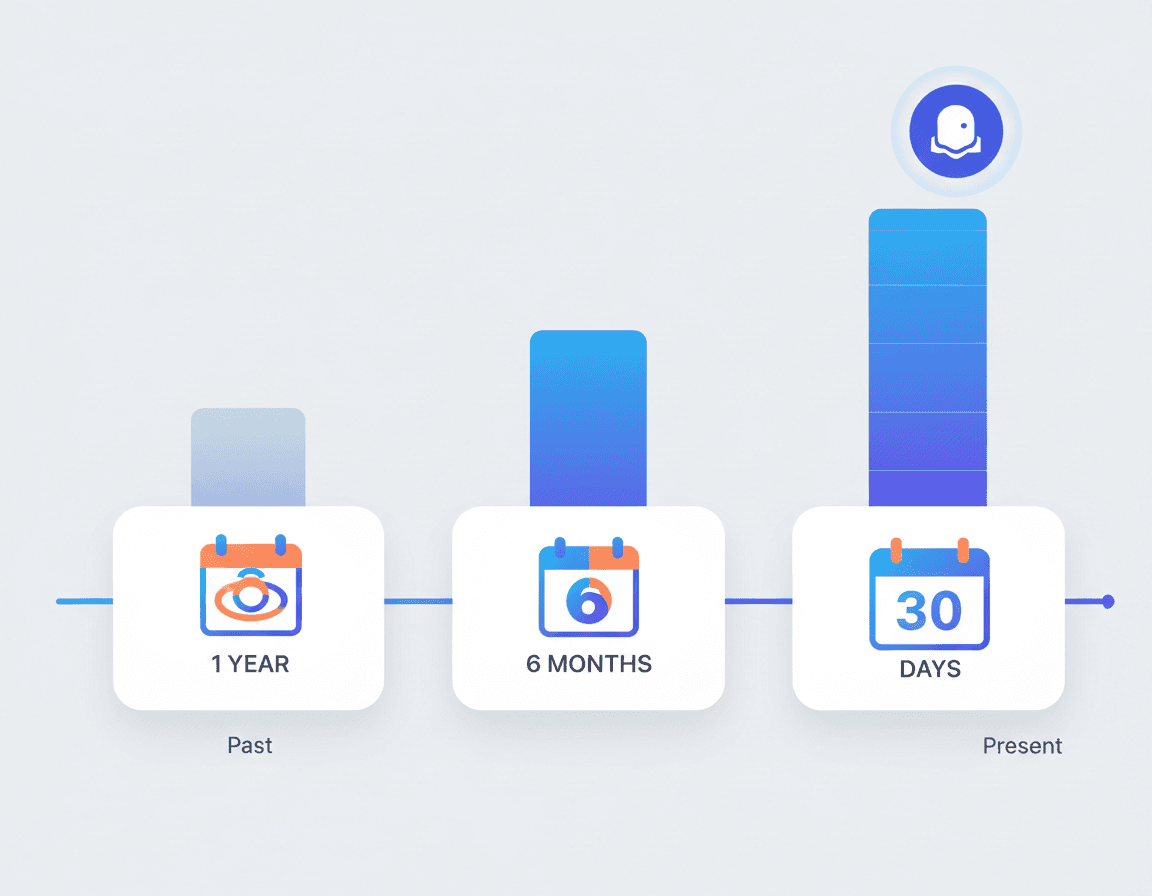
How Do Recency Signals Drive ChatGPT Citations?
"In our tests, we found that URLs updated within the last 30 days were 50% more likely to be cited by LLMs compared to those older than six months." (SearchAtlas)
Perplexity cites approximately 2.8x more sources per query than ChatGPT, and those sources tend to be more recent. Google explicitly recommends using both datePublished and dateModified in your Schema.org markup so AI systems can verify current data.
AI systems automatically add the current year into 28.1% of sub-queries even when users don't include it in their original prompt. This means recently-updated content has a built-in advantage.
Key takeaway: Refresh your most important content every 30 to 90 days. Use schema markup to signal recency, and update statistics, product versions, and pricing regularly.
Do Clean URLs and Secure Builds Protect Citation Equity?
Yes. Slug structure shows the highest correlation with AI citation frequency among all technical variables. URLs with 17 to 40 character slugs receive the most citations, and cited URLs tend to use descriptive but concise paths.
The OpenAI Apps SDK emphasizes security and privacy as foundational to user trust. Developers are advised to "assume prompt injection and malicious inputs will reach your server. Validate everything and keep audit logs." (OpenAI Security & Privacy Guide)
The SDK provides built-in support for OAuth 2.0, a widely used protocol for authorization. Use OAuth 2.1 flows that include PKCE and dynamic client registration when integrating external accounts. Widgets run inside a sandboxed iframe with a strict Content Security Policy, further protecting citation equity.
Key takeaway: Use clean, descriptive URLs. Implement structured data, secure authentication, and strict content security policies to protect your citation equity and user trust.
Which Metrics Reveal Your AI Visibility Progress?
The global AI SEO software market is projected to reach $4.97 billion by 2033, up from $1.99 billion in 2024. Early adoption of AI visibility tracking offers a competitive edge.
Tools like Semrush's Competitor Research report show how AI platforms position your competitors compared to your brand. Use it to uncover visibility gaps, benchmark against rivals, and identify the prompts and topics where others are getting cited but you aren't.
Top platforms identify 3x more visitors at person-level compared to standard tracking solutions. This allows you to convert high-intent AI-referred traffic into actionable leads.
For a deeper comparison, see our best GEO tools with visitor deanonymization guide.
Key metrics to track:
Metric | What It Measures |
|---|---|
AI Mention Rate | % of relevant queries where your brand appears |
Citation Rate | How often AI engines cite your content |
Share of Voice | Your visibility relative to competitors |
Visitor Identification | Leads captured from AI-referred traffic |
Key Takeaways & Next Steps
Getting your SaaS product mentioned in ChatGPT requires a multi-pronged approach:
Build authority beyond your website. Earn mentions on Reddit, G2, Wikipedia, and analyst sites.
Structure content for AI citation. Use clear headings, FAQ schema, and lead with key takeaways.
Maintain content freshness. Update URLs every 30 to 90 days and expose recency signals in schema.
Tighten technical hygiene. Use clean URLs, secure builds, and structured data.
Track AI visibility. Monitor mention rates, citation sources, and competitive gaps.
For SaaS teams seeking a turnkey solution, Relixir is a GEO-native CMS that deploys agents to generate, update, and host content optimized for LLM citations. Backed by Y Combinator and trusted by 200+ fast-growing B2B companies like Rippling, Airwallex, Retell AI, and HackerRank, Relixir helps brands get cited by AI search engines and convert that traffic into pipeline.
How can I get my SaaS product mentioned in ChatGPT?
ChatGPT prefers sources that are authoritative, recent, and easy for the model to parse. Publish fact-dense, 1,500-word pages with FAQ schema so LLMs can extract 200-500-token chunks. Earn third-party credibility on Reddit threads, Wikipedia pages, and analyst sites. Finally, refresh URLs every 30-90 days and expose dateModified; links updated in the last 30 days are 50% more likely to be cited.
Does content freshness really affect ChatGPT citations?
Yes. Controlled tests show URLs updated within 30 days are 50% more likely to appear in LLM answers. Perplexity cites 2.8x more links than ChatGPT and weighs recency heavily. Google recommends exposing both datePublished and dateModified in schema so AI systems can verify current data. Regular, substantive updates are a proven multiplier for SaaS visibility.
Frequently Asked Questions
How can I get my SaaS product mentioned in ChatGPT?
To get your SaaS product mentioned in ChatGPT, focus on publishing authoritative, fact-dense content with FAQ schema. Engage with third-party platforms like Reddit and Wikipedia to build credibility, and ensure your content is updated regularly to maintain recency signals.
Why are ChatGPT mentions important for SaaS companies?
ChatGPT mentions are crucial because AI-referred leads convert at significantly higher rates than traditional traffic. Being cited in AI-generated answers allows you to reach a highly qualified audience that is more likely to purchase your product.
What content structure is preferred by AI systems like ChatGPT?
AI systems prefer content with clear H2/H3 hierarchy, bullet points, and tables. Using FAQ schema and leading with key takeaways (BLUF) can significantly increase the likelihood of your content being cited by AI systems.
How does content freshness impact AI citations?
Content freshness is vital for AI citations. URLs updated within the last 30 days are 50% more likely to be cited by LLMs. Regular updates and using schema markup to signal recency can enhance your content's visibility in AI-generated answers.
What role does Relixir play in optimizing content for AI search?
Relixir provides a GEO-native CMS that automates content generation and updates, ensuring your content is optimized for LLM citations. It helps SaaS companies maintain content freshness and structure, increasing their chances of being cited by AI search engines.
Sources
https://searchatlas.com/research/url-freshness-in-llm-generated-answers/
https://www.qwairy.co/blog/content-freshness-ai-citations-guide
https://discoveredlabs.com/blog/how-to-get-cited-by-chatgpt-8-optimization-tactics
https://www.onely.com/blog/how-to-optimize-content-for-llms/
https://snezzi.com/blog/getting-citations-right-in-ai-generated-answers-best-practices-for-2025/
https://concurate.com/generative-engine-optimization-case-study/
https://siftly.ai/blog/optimize-content-ai-search-engines-citations-guide-2026
https://siftly.ai/blog/answer-engine-optimization-perplexity-claude-2026
https://relixir.ai/blog/top-answer-engine-optimization-platforms-with-visitor-identification
https://profound.so/blog/the-landscape-of-ai-search-technical-foundations-of-top-cited-pages
https://developers.openai.com/apps-sdk/guides/security-privacy/
https://stytch.com/blog/guide-to-authentication-and-user-consent-in-the-openai-apps-sdk/
https://www.searchinfluence.com/blog/ai-seo-tracking-tools-2026-analysis-platforms/
https://relixir.ai/blog/best-geo-tools-with-visitor-deanonymization-2025-comparison