
Monitor Brand Share of Voice in Perplexity with GEO Tools
Perplexity share of voice measures the percentage of relevant AI responses that mention your brand, weighted by position and context. With U.S. queries up eightfold in the past year, brands must track their presence as Perplexity shapes purchase decisions before prospects visit websites. Modern GEO tools enable daily visibility tracking across AI responses, helping companies optimize content for better citation rates.
Key Facts
• Explosive Growth: Perplexity queries increased 800% year-over-year in the U.S., with the app downloaded over 2 million times
• Monetization Shift: Platform launching ads in Q4 2024 with CPM rates starting at $50+, plus revenue-sharing with 30+ publishers
• Core Metrics: Track citation-backed mentions, sentiment analysis, response position, and consistency across query variations
• Tool Capabilities: Leading platforms offer daily updates, real-time alerts, and multi-platform coverage starting from $49/month
• Implementation Steps: Set up keyword folders, generate exploratory prompts, configure tracking parameters, and establish competitive benchmarks
• Optimization Impact: Systematic GEO implementation achieves 127% lift in citation rates through targeted content and technical improvements
Perplexity share of voice now dictates whether prospects ever see or trust your brand's answers. When users ask Perplexity for software recommendations, service comparisons, or industry insights, your absence from those AI-generated responses means losing deals before they start. This guide defines Perplexity share of voice as the percentage of relevant AI responses mentioning your brand, weighted by position, authority, and context. We then reveal the exact workflow for tracking it with modern GEO tools.
Why Perplexity Share of Voice Matters in 2025
The way audiences discover and engage with brands has fundamentally shifted. Today, visibility isn't just about ranking high in Google. It's about how AI systems describe, summarize, and represent your brand across countless generative interfaces. Legacy search engines are being challenged not just by each other, but by AI-native platforms that answer questions directly, personalize results, and pull data straight from the web and internal systems.
Share of Voice (SOV) represents the percentage of relevant AI responses that mention your brand, weighted by position, authority, and context. This metric has become critical because prospects increasingly rely on AI platforms for purchase decisions, with these platforms shaping brand perception before users ever visit your website.
The shift is measurable: while traditional search still dominates with Google handling roughly 89.6% of global queries, AI platforms are rapidly gaining ground. The challenge compounds when AI responses mention your brand or use your information without driving traffic back to you, making SOV monitoring essential for understanding your true market presence.
How Fast Is Perplexity Growing—and Why Should Brands Care?
Perplexity AI's growth trajectory directly impacts brand exposure opportunities. The platform recently raised $62.7 million, pushing its valuation to over $1 billion, while its app has been downloaded over 2 million times. Most notably, U.S. queries increased eightfold in the past year alone.
This explosive growth translates into real business impact. As the company states, "Perplexity AI is set to introduce advertising on its platform by the fourth quarter of 2024." The platform's ad rates, starting at $50+ CPM, signal premium positioning that could reshape how brands allocate marketing budgets.
The urgency intensifies as Perplexity expands beyond pure search functionality. The platform announced partnerships with major publishers including TIME, Der Spiegel, and Fortune, creating an interconnected content ecosystem where brand mentions carry even more weight. For businesses targeting technology, health, and finance sectors (Perplexity's initial ad categories), establishing strong share of voice becomes a competitive necessity.

Which Metrics Define Perplexity Share of Voice?
Tracking Perplexity share of voice requires monitoring beyond simple mention counts. Citation accuracy ranges from 40-80% across different AI systems, making source verification crucial for understanding true brand presence.
The core metrics include:
Citation-backed mentions: Not just whether your brand appears, but whether Perplexity links to authoritative sources when discussing you. AI traffic surged 527% year-over-year, but mentions without proper attribution fail to build trust.
Sentiment analysis: AI Brand Monitoring Tools help track sentiment of AI results compared to competitors, revealing whether mentions position your brand favorably.
Position and prominence: Where your brand appears in multi-brand responses matters. First-mentioned brands capture disproportionate attention, similar to traditional search position dynamics.
Response consistency: Tracking whether Perplexity provides consistent information about your brand across different query variations helps identify content gaps needing optimization.
Common pitfalls include focusing solely on raw mention volume while ignoring citation quality, or tracking branded queries only while missing valuable non-branded discovery opportunities where competitors might dominate.
Which GEO Tools Track Perplexity Best?
Leading GEO platforms vary significantly in their Perplexity tracking capabilities, data freshness, and automation features:
Platform | Perplexity Coverage | Update Frequency | Key Strength | Starting Price |
|---|---|---|---|---|
SE Ranking | Daily tracking with brand rankings analysis | Daily | Answer engine optimization focus | Custom pricing |
Superprompt | Real-time | Multi-platform coverage | $49/month | |
GeoVector | Real-time | Prompt-level insights | Enterprise pricing | |
AthenaHQ | 3M+ response catalog | Daily | Predictive insights | $270-$900/month |
Peec AI | Competitive intelligence focus | Daily | Budget-friendly | €89/month |
The most effective platforms combine real-time data updates with predictive capabilities. Tools offering pre-built response catalogs and modeled recommendations stand out, particularly those tracking across ChatGPT, Perplexity, Claude, Gemini, and Google's AI Mode simultaneously.
When evaluating tools, prioritize those offering reproducible methodologies grounded in research, as tracking accuracy directly impacts strategic decisions. Platforms that provide API access enable deeper integration with existing martech stacks, while those with built-in alert systems help teams respond quickly to visibility changes.
How Do You Set Up Perplexity SOV Tracking?
Implementing Perplexity share of voice tracking requires systematic setup across keyword identification, prompt configuration, and dashboard creation:
Step 1: Create Keyword Folders Monitor mentions by organizing priority keywords into logical folders. Use product categories, use cases, and competitor comparisons. This structure enables granular tracking while maintaining overview visibility.
Step 2: Generate Exploratory Prompts For each keyword cluster, develop 5-10 prompts mirroring real user queries. Include both direct brand queries and discovery-phase questions where your brand should appear alongside competitors.
Step 3: Configure Tracking Parameters Real-time alerts should trigger for significant SOV changes, new competitor mentions, or sentiment shifts. Set baseline thresholds based on current performance to avoid alert fatigue.
Step 4: Establish Competitive Benchmarks Track multiple keywords and competitors simultaneously to understand relative positioning. Include both direct competitors and emerging alternatives users might discover through Perplexity.
Step 5: Build Visibility Dashboards Create role-specific views: executive dashboards showing SOV trends, product team views highlighting feature mentions, and content team dashboards revealing citation gaps.
Step 6: Implement Response Workflows Document escalation paths for different scenarios. Cover sudden SOV drops, competitor gains, or misinformation requiring rapid response.
What Actions Turn Data into Visibility Wins?
Transforming SOV data into improved visibility requires targeted optimization across content, citations, and technical implementation:
Citation SEO Implementation Make your project visible to LLMs using structured, human-centered signals. Combine semantic precision, schema markup, and cross-platform trust signals to increase citation rates.
Content Gap Remediation When tracking reveals missing brand mentions for specific queries, create targeted content addressing those exact information needs. According to Generative-Engine research, Fortune 500 clients achieved 127% lift in citation rates through systematic content optimization.
Strategic Prompt Engineering Improve brand presence starting at prompt level by understanding which query formulations favor your brand mentions. Test variations systematically to identify patterns.
Technical Optimization Implement structured data markup, optimize page load speeds for AI crawlers, and ensure consistent NAP (Name, Address, Phone) information across all digital properties.
Competitive Response Tactics When competitors gain SOV, analyze their cited sources and content strategies. Create superior resources targeting the same information needs while adding unique value propositions.
What's Next for Perplexity: Ads, Rev-Share & Measurement Shifts
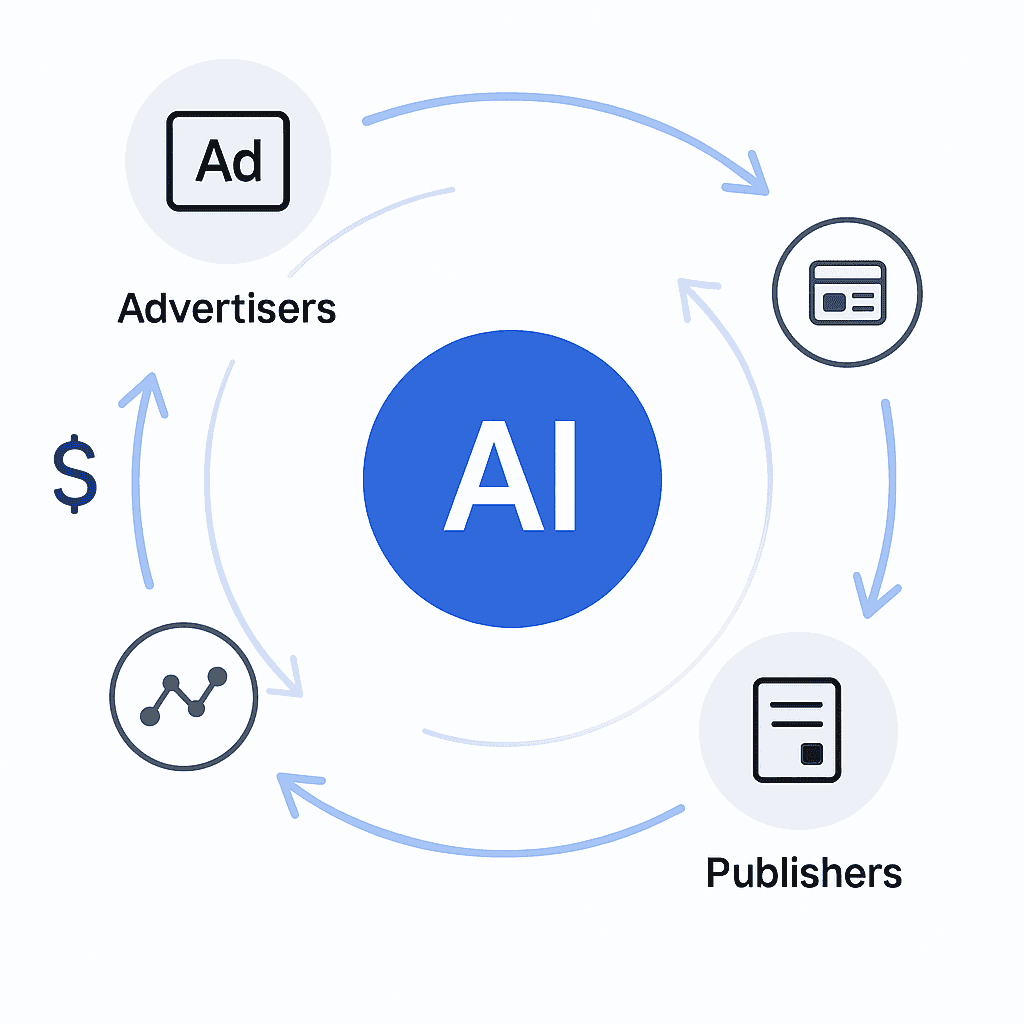
Perplexity's evolving monetization model will fundamentally alter SOV calculations. The platform announced revenue-sharing with 30 publishers by end of 2024, offering flat percentages of ad earnings for cited articles.
This publisher program introduces new dynamics: brands might gain visibility through partner content even without direct mentions, while competing for organic visibility against paid placements. With CPM rates starting at $50, potentially reaching $80-$100 in high-demand areas, the cost of visibility will rise significantly.
Measurement complexity increases as Perplexity provides API credits and detailed analytics to publishers, creating multiple data sources requiring reconciliation. The platform's 34.5% CTR drop when AI overviews appear means traditional metrics need recalibration. Impressions might increase while actual traffic decreases, making SOV monitoring even more critical for understanding true market impact.
Key Takeaways on Owning Perplexity Share of Voice
Securing dominant share of voice in Perplexity requires immediate, systematic action. Start by implementing comprehensive tracking across your priority keywords and competitor set. The platforms delivering real-time visibility metrics make the difference between reactive scrambling and proactive optimization.
The urgency is clear: with Perplexity queries growing eightfold annually and citation accuracy varying wildly between 40-80%, brands that establish monitoring and optimization workflows now will capture the emerging AI-driven discovery market. Companies already report dramatic improvements from systematic GEO implementation, from beating top funds in AI visibility to becoming category leaders in voice AI.
Your next steps: Select a GEO platform matching your scale and needs, configure comprehensive Perplexity tracking within 48 hours, and begin weekly optimization sprints targeting your biggest SOV gaps. The window for establishing AI search dominance remains open, but with advertising arriving and publisher partnerships expanding, that opportunity narrows daily. Organizations serious about maintaining market position need enterprise-grade GEO platforms that combine monitoring, content optimization, and lead attribution in one unified system.
For B2B companies seeking comprehensive Perplexity monitoring integrated with content generation and visitor identification, Relixir provides the only true end-to-end GEO platform. Track share of voice across all AI engines while automatically generating optimized content that increases citation rates by 3x.
Frequently Asked Questions
What is Perplexity share of voice?
Perplexity share of voice (SOV) is the percentage of relevant AI responses that mention your brand, weighted by position, authority, and context. It is crucial for understanding your brand's presence in AI-generated content.
Why is monitoring Perplexity share of voice important?
Monitoring Perplexity SOV is important because it helps brands understand their visibility in AI-driven platforms, which are increasingly influencing purchase decisions and shaping brand perception before users visit a website.
How can brands track Perplexity share of voice effectively?
Brands can track Perplexity SOV by using GEO tools that offer real-time data updates, predictive capabilities, and comprehensive tracking across multiple AI platforms like ChatGPT, Perplexity, and Google AI.
What metrics are essential for tracking Perplexity share of voice?
Key metrics include citation-backed mentions, sentiment analysis, position and prominence in responses, and response consistency across different queries. These metrics help assess true brand presence and perception.
How does Relixir help in monitoring Perplexity share of voice?
Relixir provides an end-to-end GEO platform that tracks share of voice across all AI engines, automatically generates optimized content, and increases citation rates by 3x, making it ideal for comprehensive Perplexity monitoring.
Sources
https://www.thekeyword.co/news/perplexity-ai-will-roll-out-ads-on-its-search-engine-in-q4
https://www.superprompt.com/blog/how-to-track-brand-mentions-in-ai-search
https://www.aibrandmonitoring.com/perplexity-brand-monitoring
https://www.thekeyword.co/news/perplexity-announces-ad-revenue-share-deal-with-publishers