Perplexity Stopped Showing Your Pages? 3 Recovery Strategies
By Sean Dorje, Co-Founder/CEO of Relixir - Inbound Engine for AI Search | 10k+ Inbound Leads delivered from ChatGPT · Nov 12th, 2025
Perplexity's volatility stems from its L3 reranker that filters content below quality thresholds and applies exponential time-decay mechanisms that rapidly reduce visibility over time. Pages need 1,000 impressions within 30 minutes of publication to maintain rankings, creating a make-or-break scenario where previously visible content can vanish overnight despite stable Google rankings.
Key Facts
• 70% citation churn rate - AI-Overview citations change within three months, significantly higher than traditional search
• 30-minute visibility window - Fresh content must hit 1,000 impressions and 4.2% CTR immediately after publication to qualify for rankings
• Daily index updates - Perplexity refreshes its entire index daily, applying harsh time-decay curves to older content
• Earned media bias - Platform shows systematic preference for third-party sources over brand-owned content
• 4-8 week recovery timeline - Most brands see citation rebounds when implementing monthly content refreshes and authority building strategies
• 47% vs 28% ranking rates - Pages with proper schema markup achieve significantly higher Top-3 placement rates than those without
Perplexity's visibility patterns prove far more volatile than traditional search engines. Research shows 70% of AI-Overview citations churn within three months, while Perplexity's L3 reranker drops passages below quality thresholds once freshness signals fade. This algorithm volatility means your previously ranked pages can vanish overnight, even when Google rankings remain stable.
Why is Perplexity visibility so volatile?
Perplexity's algorithm operates differently from traditional search engines. The platform uses an L3 XGBoost reranker that filters entity results below quality thresholds, combined with manually curated authoritative domain lists and topic multipliers that create exponential visibility differences.
The most critical factor is the time-decay mechanism. According to research, the timedecayrate factor creates an exponential decline in content visibility over time. Fresh content faces an immediate hurdle: pages need at least 1,000 impressions and a 4.2% click-through rate within the first 30 minutes of publication to qualify for top rankings.
This volatility stems from Perplexity's preference for recency over established authority. While Google might keep your page ranked for months or years, Perplexity applies harsh time-decay curves that rapidly reduce visibility unless content receives continuous engagement signals. The platform's curated index means only clear, authoritative, and accessible content makes the cut, with freshness and trustworthiness determining which sources get cited.
How to confirm why your URLs disappeared from Perplexity?
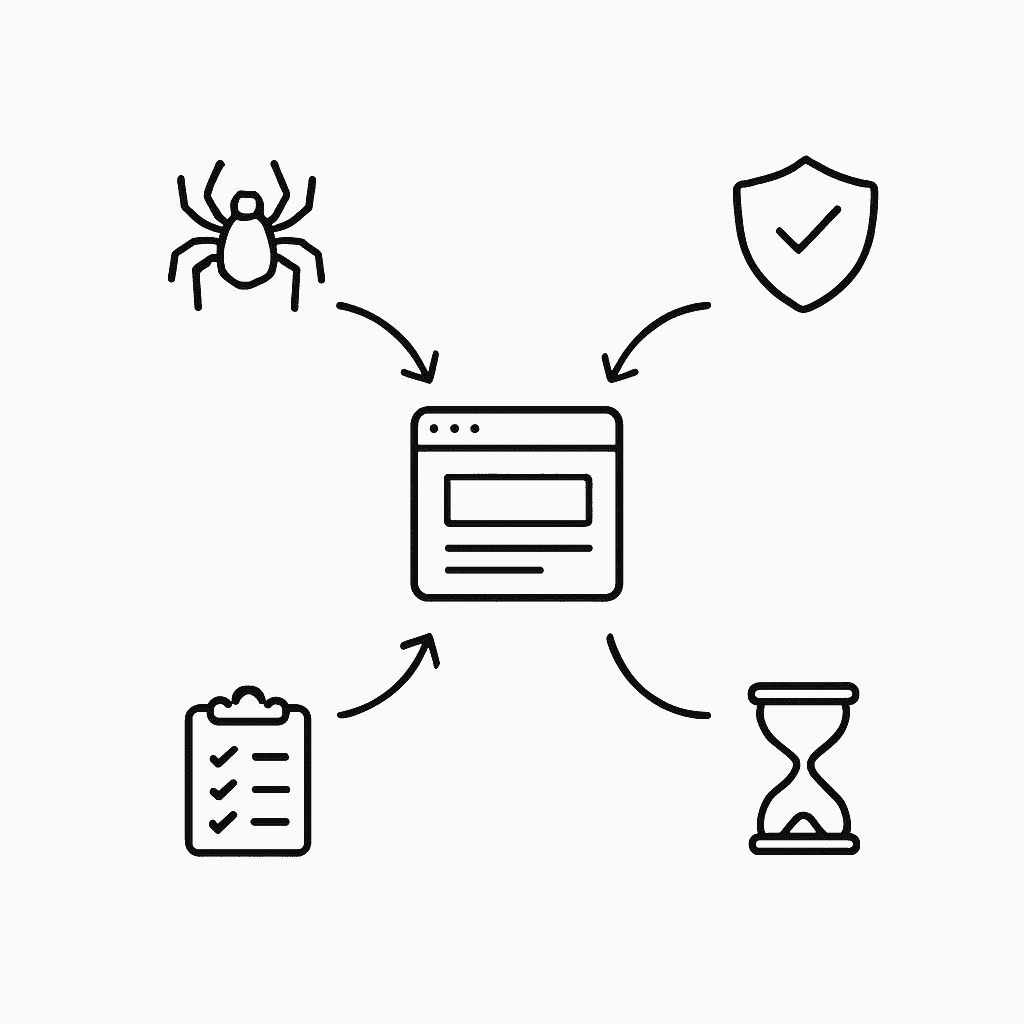
Before implementing recovery strategies, diagnose the specific reason your content lost visibility. Multiple factors can cause pages to drop from Perplexity's results:
Technical crawling issues:
Check if PerplexityBot can access your pages. The crawler does not render JavaScript, so ensure critical content loads server-side
Verify robots.txt isn't blocking PerplexityBot access
Confirm your site provides LLMs.txt and BingPreview access for proper indexing
Domain authority problems:
Review if competitors gained mentions in trusted domains like G2, Crunchbase, GitHub, or LinkedIn
Check whether your domain lost credibility signals compared to newly cited sources
Analyze if industry-wide blocking increased, as between 20% and 33% of top domains now block all crawlers
Content freshness decay:
Determine when your content was last updated
Measure current engagement metrics versus Perplexity's thresholds
Compare your update frequency to competitors being cited instead
Failed quality gates:
Assess if content structure changed, removing clear answer formats
Check whether schema markup was removed or corrupted
Verify content still meets Perplexity's quality score requirements
Document these findings systematically. Each issue requires different recovery tactics, and understanding the root cause prevents wasted effort on ineffective solutions.
How do content refreshes reverse Perplexity's time-decay curve?
Content refreshes directly combat Perplexity's aggressive time-decay algorithm. The platform updates its index daily and applies time-decay mechanisms that rapidly reduce visibility if content isn't refreshed. Strategic updates can restore rankings within weeks.
Timing your refresh strategy:
Update cornerstone content monthly to maintain freshness signals
Push updates during peak engagement hours to hit the 1,000 impression threshold
Stagger releases across multiple days for sustained visibility
Content enhancement tactics:
Add new data points, statistics, or case studies to existing pages
Update timestamps and publication dates visibly
Include recent industry developments or trending subtopics
Expand answer sections with current examples
Engagement spike generation:
Promote refreshed content through email lists immediately after publishing
Share updates on social platforms within the critical first 30 minutes
Coordinate internal team sharing to drive initial traffic
Use paid promotion to guarantee early impression thresholds
The key is creating genuine value with each refresh, not just changing dates. Perplexity's algorithm detects superficial updates. Add substantial new sections, update outdated information, and restructure content to better answer emerging questions in your space.
Measure results through citation tracking tools. Most brands see citation rebounds in 4-8 weeks when consistently implementing refresh strategies aligned with Perplexity's freshness requirements.
Earn high-authority AI citations fast
Perplexity exhibits systematic bias towards Earned media over brand-owned content, making third-party citations essential for visibility recovery. Building authority signals requires strategic placement across trusted platforms.
Priority citation sources:
Industry directories: G2, Capterra, TrustRadius for software
Professional networks: LinkedIn articles, GitHub repositories
News mentions: Press releases, industry publications
Academic references: Research papers, case studies
Citation velocity tactics:
Submit comprehensive profiles to niche directories where Perplexity pulls 24% of subjective query citations
Create data-driven research that others will reference
Contribute expert quotes to industry publications
Build partnerships for co-authored content
Authority multiplication strategies:
Establish presence across multiple authoritative domains simultaneously. Top-3 brands average approximately 1.7× more citations than others, indicating the compound effect of broad authority distribution.
Create citation-worthy assets:
Original research with unique data points
Comprehensive guides solving specific problems
Industry benchmarks and comparison studies
Technical documentation and how-to resources
Focus on topics with favorable multipliers. Content covering AI, science, or marketing receives 3x ranking advantages in Perplexity's system. Avoid entertainment or sports content unless central to your brand.
Track citation growth weekly. Successful authority building shows incremental citation increases across multiple queries, not just single keyword wins. Most recovery strategies see meaningful citation volume within 30-45 days of consistent implementation.
Which technical fixes and structured data does Perplexity reward?
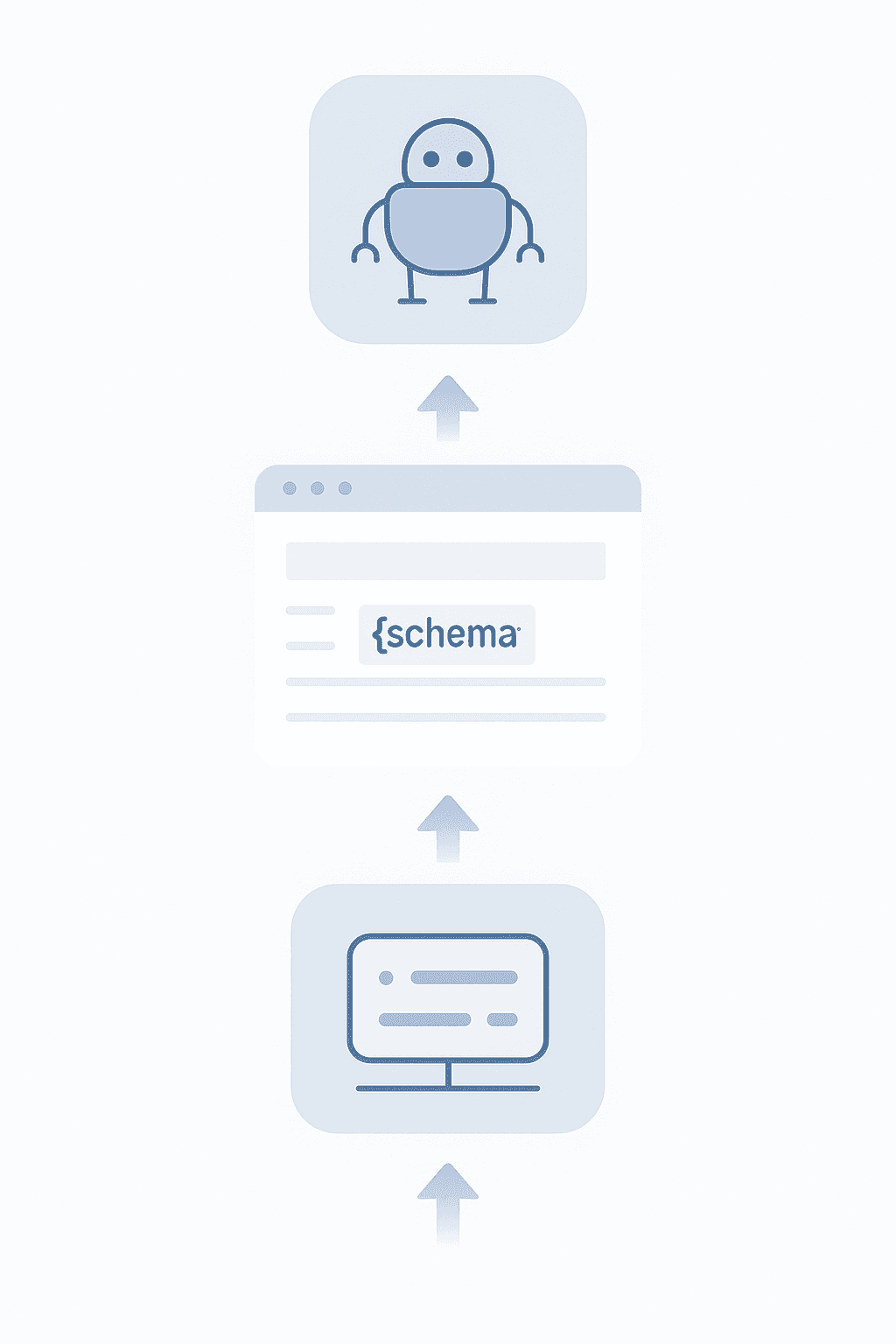
Technical optimization determines whether Perplexity can properly crawl, index, and extract answers from your content. Schema markup contributes up to 10% of ranking factors, while crawlability issues can completely block visibility.
Essential technical requirements:
Enable server-side rendering for all critical content
Implement LLMs.txt and ensure BingPreview access
Configure robots.txt to explicitly allow PerplexityBot
Provide clear HTML structure without JavaScript dependencies
Schema markup priorities:
FAQ schema for question-based content
Article schema with proper author attribution
HowTo schema for instructional content
Organization schema for brand credibility
Product schema for comparison queries
Content structure optimization:
Use H1-H4 heading hierarchy consistently
Format lists and tables for easy extraction
Place direct answers within first 100 words
Include summary sections for long content
Add explicit Q&A sections addressing common queries
Crawlability enhancements:
Submit XML sitemaps with recent timestamps
Reduce page load times below 3 seconds
Fix broken internal links and redirects
Ensure mobile responsiveness across all pages
Remove duplicate content that confuses crawlers
Perplexity relies on structure to extract the right snippets. Clear, well-structured HTML with proper schema markup significantly improves citation probability. Pages with schema show 47% Top-3 rates versus 28% without.
Implement these fixes systematically, starting with crawlability issues that completely block access. Schema and structure improvements typically show results within 2-3 weeks as Perplexity re-indexes your enhanced content.
What tools automate Perplexity SEO recovery?
Automating recovery processes accelerates timeline from months to weeks. Generative Engine Optimization platforms now offer specialized features for Perplexity visibility tracking and optimization.
Platform comparison for Perplexity recovery:
Platform | AI Ranking Speed | Perplexity Features | Automation Level | Best For |
|---|---|---|---|---|
Relixir | Full visibility tracking, gap analysis | Complete end-to-end | Enterprise B2B | |
BrightEdge AI Catalyst | 4-6 weeks | Partial automation | Large brands | |
Manual optimization | 8-12 weeks | Limited visibility | No automation | Small teams |
Key automation capabilities:
Real-time citation monitoring across queries
Competitive gap identification
Content refresh scheduling
Schema markup generation
Authority signal tracking
Engagement metric monitoring
Implementation efficiency:
Platforms like Relixir simulate thousands of buyer questions and identify blind spots automatically. This eliminates manual query research and accelerates content optimization cycles. The platform's ability to flip AI rankings without developer lift makes it particularly valuable for marketing teams lacking technical resources.
Measurement and tracking:
Daily citation volume changes
Query-level visibility scores
Competitor citation analysis
Time-decay impact monitoring
Authority score progression
"If machines can't read it, customers won't see it," emphasizes the importance of machine-readable optimization. GEO platforms ensure content meets these technical requirements while maintaining brand voice and quality.
Select tools based on your recovery urgency and technical capabilities. Enterprises needing rapid recovery with minimal technical overhead benefit most from comprehensive platforms, while smaller teams might combine manual efforts with selective automation.
Key takeaways
Perplexity's algorithm volatility requires proactive management strategies. Your pages can disappear overnight due to time-decay mechanisms, failed engagement thresholds, or technical issues. Recovery demands systematic diagnosis followed by targeted interventions across content freshness, authority building, and technical optimization.
Implement these three core strategies:
Refresh content monthly to combat exponential time-decay
Build authority through earned media citations and trusted platforms
Fix technical issues and add structured data for proper indexing
Most brands see citation recovery within 4-8 weeks using these tactics. However, maintaining visibility requires ongoing effort. Perplexity's daily index updates and harsh freshness requirements mean yesterday's optimization won't guarantee tomorrow's rankings.
For enterprises seeking automated recovery without technical overhead, Relixir provides comprehensive GEO capabilities that flip rankings in under 30 days. The platform's ability to simulate buyer questions, identify gaps, and optimize content automatically makes it particularly effective for teams managing Perplexity's volatility at scale.
About the Author
Sean Dorje is a Berkeley Dropout who joined Y Combinator to build Relixir. At his previous VC-backed company ezML, he built the first version of Relixir to generate SEO blogs and help ezML rank for over 200+ keywords in computer vision. Fast forward to today, Relixir now powers over 100+ companies to rank on both Google and AI search and automate SEO/GEO.
Frequently Asked Questions
Why is Perplexity's visibility so volatile?
Perplexity's algorithm uses an L3 XGBoost reranker and time-decay mechanisms, prioritizing recency over established authority. This results in rapid visibility changes, unlike traditional search engines that maintain stable rankings over time.
How can I confirm why my URLs disappeared from Perplexity?
Diagnose issues by checking for technical crawling problems, domain authority changes, content freshness decay, and failed quality gates. Each factor requires different recovery tactics to restore visibility.
What are effective content refresh strategies for Perplexity?
To combat Perplexity's time-decay curve, update cornerstone content monthly, add new data points, and promote refreshed content immediately. This helps maintain freshness signals and restore rankings.
How does Relixir help with Perplexity SEO recovery?
Relixir automates the recovery process by providing real-time citation monitoring, content refresh scheduling, and authority signal tracking, enabling rapid visibility recovery without technical overhead.
What technical optimizations does Perplexity reward?
Ensure server-side rendering, implement schema markup, and configure robots.txt for PerplexityBot access. Proper HTML structure and schema markup significantly improve citation probability.
Sources
https://metehan.ai/blog/perplexity-ai-seo-59-ranking-patterns/
https://nicklafferty.com/blog/how-to-rank-higher-in-perplexity/
https://www.authoritas.com/blog/serp-organic-and-ai-overview-volatility-research
https://www.withdaydream.com/library/how-perplexity-crawls-and-indexes-your-website
https://singularity.digital/insights/how-to-get-mentioned-perplexity/
https://peroosh.com/robots-txt-impact-of-ai-crawlers-blocked-by-top-domains/
https://www.yext.com/blog/2025/10/ai-visibility-in-2025-how-gemini-chatgpt-perplexity-cite-brands
https://relixir.ai/blog/top-10-generative-engine-optimization-platforms-2025-relixir-leads
https://my.idc.com/getdoc.jsp?containerId=US53679925&pageType=PRINTFRIENDLY