
Track ChatGPT Rankings with Answer Engine Optimization Platforms
Traditional SEO tools cannot track ChatGPT rankings because they measure different signals entirely. ChatGPT primarily cites pages ranking in positions 21+ in traditional search nearly 90% of the time, while synthesizing answers from multiple sources rather than displaying ranked lists. Purpose-built Answer Engine Optimization platforms now track AI-specific metrics like citation rates and answer positioning across 800 million weekly ChatGPT users.
TLDR
ChatGPT commands 79.8% of all chatbot referral traffic globally, making AI visibility tracking essential for digital marketing success
Traditional SEO tools fail because ChatGPT citations are 40-60% volatile monthly and pull from pages ranking beyond position 20
Purpose-built AEO platforms like AmIOnAI, Gauge, and xSeek track AI-specific metrics including brand presence rate, share of answer, and citation quality scores
Leading platforms monitor content position across AI engines with daily updates, enabling brands to track competitive positioning in real-time
Manual tracking requires 2-3 hours weekly versus 15 minutes with automated platforms that can monitor 100-500+ prompts simultaneously
The AI in Marketing sector is projected to grow from $20 billion to $214 billion by 2033, signaling massive investment in AI visibility tools
Marketers must track ChatGPT rankings because the primary keyword determines whether your brand shows up in AI-generated answers now outranking blue links. With ChatGPT commanding 79.8% referral share globally, brands that ignore their AI visibility risk losing significant traffic and revenue opportunities. The shift from traditional search to AI-powered answers isn't coming—it's here, and Answer Engine Optimization (AEO) tooling has become critical for maintaining digital visibility.
Why Do ChatGPT Rankings Matter in 2025?
The information retrieval landscape has fundamentally transformed. Generative AI-powered engines like ChatGPT, Perplexity, and Gemini are reshaping how consumers discover brands, moving from traditional ranked lists to synthesized, citation-backed answers. This shift challenges everything marketers know about search visibility.
Consider the scale of this disruption: generative engines predicted to influence up to 70% of all queries by the end of 2025. That's not a gradual transition—it's a seismic shift in how people find information online.
Answer Engine Optimization represents a new discipline entirely. Unlike traditional SEO that focuses on rankings and click-through rates, AEO concentrates on being selected as the authoritative answer source within AI-generated responses. When ChatGPT answers a question about your industry, your brand either appears as a trusted recommendation or doesn't exist at all.
The shift toward AI-driven customer journeys means brands must adapt their entire approach to visibility. Traditional blue links are being replaced by conversational answers, and behavior is quickly shifting to AI engines like ChatGPT and Perplexity from Google's familiar search results.
Why Do Traditional SEO Rank Trackers Miss ChatGPT?
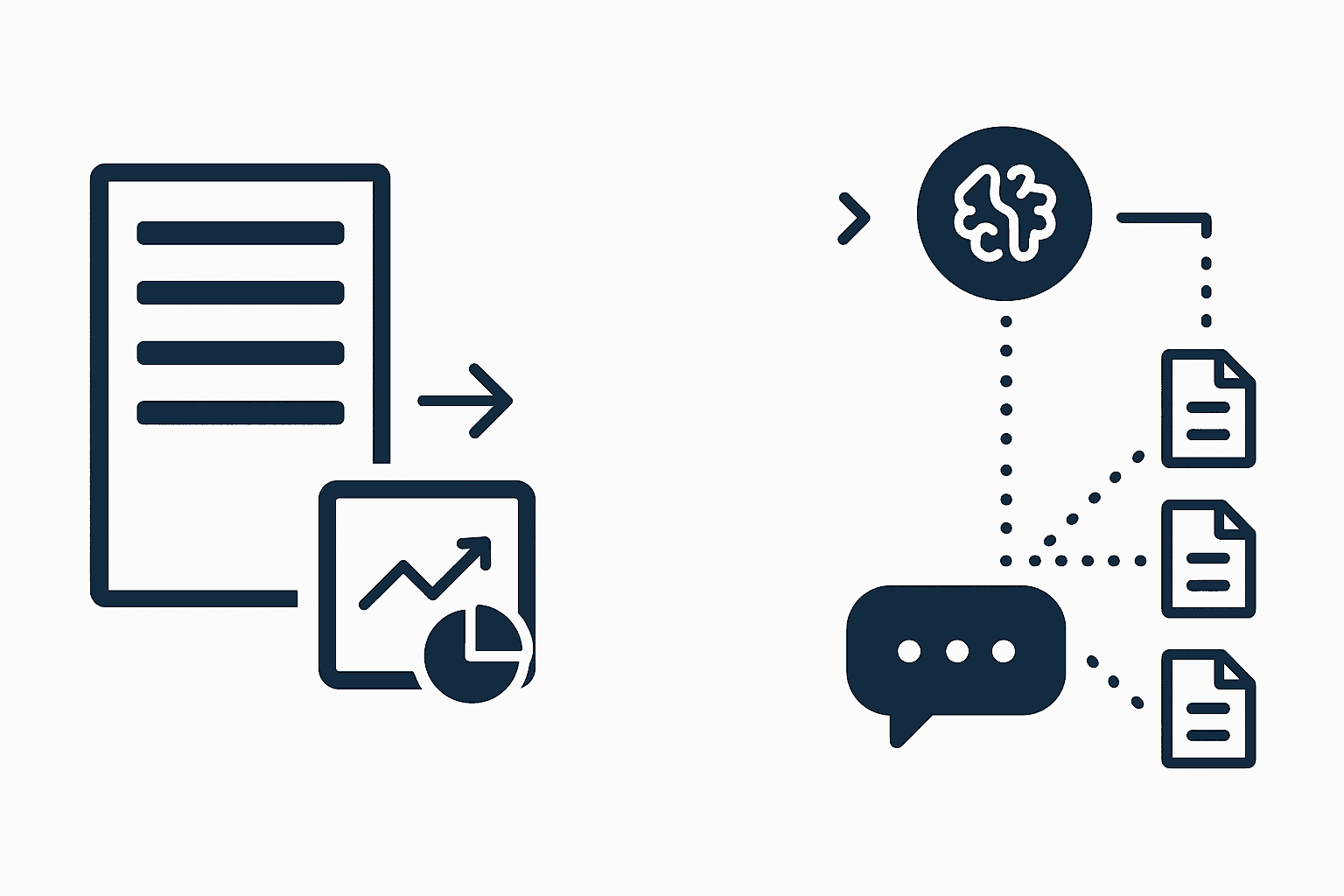
Traditional SEO tools fail to capture ChatGPT rankings for several technical reasons that make standard tracking approaches obsolete. The fundamental issue: ChatGPT primarily cites pages ranking in positions 21+ in traditional search nearly 90% of the time. Your SEO dashboard showing top-10 rankings means nothing if ChatGPT pulls from page three.
The volatility of AI-generated results creates another tracking challenge. AI results are inherently volatile, with 40-60% of cited domains changing monthly across major platforms. Traditional rank trackers designed for stable SERP positions can't handle this constant flux.
Perhaps most critically, AI Overviews steal clicks from traditional organic results. Studies show that when AI Overviews appear in Google, traditional organic clicks drop by nearly 50%. Your traditional tracking tools measure rankings that increasingly don't translate to actual traffic.
Classic SEO platforms were built for a different era—one where rankings directly correlated with visibility. ChatGPT doesn't work that way. It synthesizes information from multiple sources, often citing pages that traditional SEO would consider failures. This disconnect makes specialized AEO tracking essential for understanding your true AI visibility.
What Metrics Define ChatGPT Ranking Success?
Successful ChatGPT ranking requires tracking entirely new metrics that traditional SEO tools don't measure. These KPIs focus on presence, positioning, and trust within AI-generated answers rather than simple rank positions.
Core metrics for AI visibility tracking include:
AI Brand Presence Rate: Percentage of prompts where your brand appears in answers
Share of Answer: Average strength of your positioning across all prompts
Citation Quality Score: Accuracy and relevance of links to your content
Reason-to-Trust Score: Authority signals that make AI cite your brand
Accuracy Score: How correctly AI represents your products and services
These AI visibility metrics go beyond traditional rankings to measure what actually matters: whether buyers see your brand as a credible option when asking ChatGPT for recommendations. A high presence rate means nothing if the AI positions you as an afterthought or includes outdated information.
The ability to track citation trends over time reveals patterns invisible to traditional analytics. Brands that monitor these metrics can identify which content strategies drive AI visibility and adjust before competitors realize they're falling behind.
Most importantly, these metrics tie directly to business outcomes. Studies from Relixir's blog show that improving AI visibility metrics correlates with higher conversion rates from AI-referred traffic, proving that ChatGPT rankings directly impact revenue.
DIY Tracking vs. Purpose-Built AEO Platforms
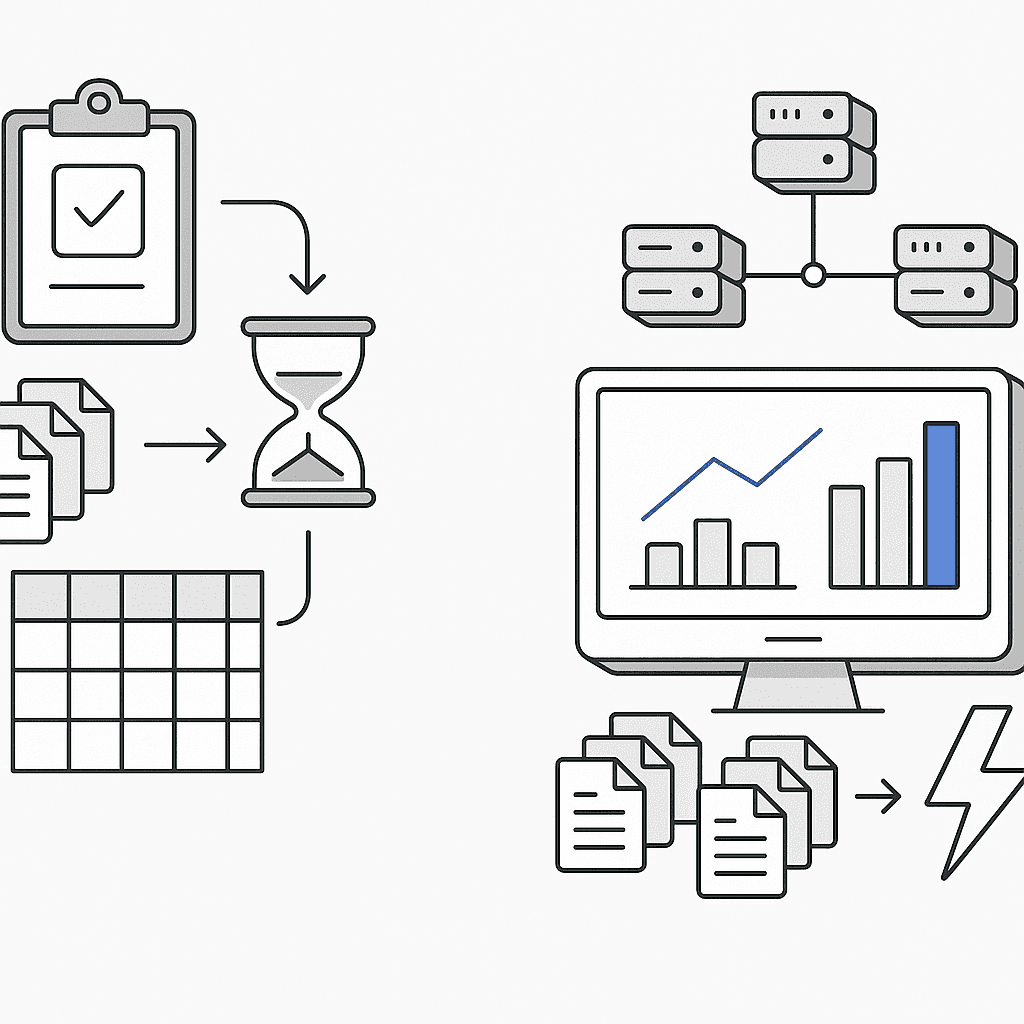
Marketers face a critical decision: attempt manual ChatGPT tracking with spreadsheets or invest in specialized AEO platforms. Each approach has distinct trade-offs that affect tracking accuracy, resource requirements, and actionable insights.
Manual Tracking Approach
DIY visibility tracking involves running a fixed library of 10-20 prompts in ChatGPT on a repeatable cadence. You score how often and how strongly your brand appears, then log those scores in a spreadsheet.
This method requires 90-120 minutes monthly for comprehensive assessment, with weekly spot checks taking 30-45 minutes. The manual approach works for small teams testing AI visibility concepts but quickly becomes unsustainable. Memory contamination from repeated ChatGPT sessions can skew results, making clean tracking difficult without constant browser clearing and session management.
Automated Platform Benefits
Purpose-built AEO tools transform tracking from manual burden to strategic advantage. Platforms monitor content position in AI engines with daily updates, eliminating the time drain of manual checks while providing consistent, unbiased data.
Key platform advantages include:
Feature | Manual Tracking | AEO Platforms |
|---|---|---|
Time Investment | 2-3 hours weekly | 15 minutes weekly |
Prompt Coverage | 10-20 prompts | 100-500+ prompts |
Update Frequency | Weekly/Monthly | Daily automated |
Memory Contamination | High risk | Zero risk |
Competitive Analysis | Limited visibility | Full competitor tracking |
Citation Accuracy | Manual verification | Automated link checking |
Leading platforms emphasize that "you cannot optimize what you cannot measure," providing the measurement infrastructure that manual tracking simply can't match at scale.
Top Platforms to Track ChatGPT Rankings
The AEO platform landscape has exploded with specialized tools designed to track and optimize ChatGPT visibility. Each platform brings unique strengths, from real-time citation monitoring to enterprise-grade compliance features.
Leading AEO platforms now run over 6 million prompts daily across major answer engines, providing unprecedented visibility into AI-generated responses. This scale enables brands to understand not just whether they appear, but how they're positioned relative to competitors.
The most comprehensive platforms combine multi-engine tracking, prompt volume data, and content optimization in unified dashboards. Teams using advanced platforms have seen up to an 11% lift in AI visibility in just 30 days, demonstrating the power of systematic tracking and optimization.
Relixir's analysis reveals that successful platforms must balance tracking depth with actionable insights. Simply showing rankings isn't enough—platforms must translate visibility gaps into specific content improvements that drive AI citations.
AmIOnAI: Real-Time Brand Mentions
AmIOnAI specializes in real-time ChatGPT brand tracking, monitoring which brands and tools are most mentioned across ChatGPT tracked in real time. Their methodology uses real ChatGPT responses from production queries, making it highly representative of actual user experiences.
The platform analyzes responses from 50-200+ queries per category, with rankings updated every 1-3 days. This frequent refresh cycle captures the volatile nature of AI recommendations, helping brands spot trends before they become permanent visibility gaps.
Gauge vs. Profound: Prompt Coverage & Compliance
The Gauge versus Profound comparison highlights different approaches to enterprise ChatGPT tracking. Gauge allows 500 prompts on their entry-level offering and automatically tests hundreds of relevant prompts daily. In contrast, Profound limits entry-level users to 100 prompts on Profound Lite ($499/month).
Profound distinguishes itself through enterprise features, particularly SOC 2 Type II compliance and configurable data residency, making it the safer choice for finance, healthcare, and other regulated sectors requiring audit trails.
xSeek: Daily Rank Position Tracking
xSeek delivers granular position tracking with daily updates monitoring content across AI engines and LLMs like ChatGPT, Google Gemini, and Perplexity. Their comprehensive approach includes competitor analysis and customizable reports on AI visibility.
The platform's strength lies in consistent tracking cadence. After optimization, xSeek users report 217% increase in AI assistant chat mentions, demonstrating the impact of daily monitoring on visibility improvements.
How Do You Choose the Right ChatGPT Tracker?
Selecting an appropriate ChatGPT tracking platform requires evaluating six critical criteria that determine whether a tool can deliver actionable insights for your specific needs.
1. Onboarding and Support Quality
Leading platforms pair clients with dedicated AI strategists through structured onboarding processes. Look for platforms offering white-glove support even at entry tiers.
2. Multi-Engine Coverage
While ChatGPT dominates, comprehensive tracking should include Perplexity, Claude, and emerging engines. Platforms tracking 10+ engines provide fuller competitive intelligence.
3. Prompt Volume Capacity
More prompts mean better coverage of buyer questions. Entry-level plans should offer at least 100 prompts, with scalability to 500+ for comprehensive tracking.
4. Competitive Benchmarking
Effective platforms benchmark AI visibility against competitors, revealing gaps and opportunities invisible through absolute metrics alone.
5. Security and Compliance
Healthcare and finance sectors require platforms with SOC 2 Type II certification, HIPAA compliance, and data residency options. Don't compromise on security for features.
6. ROI Measurement
Platforms must demonstrate clear connections between AI visibility improvements and business outcomes. Look for tools that track AI-referred traffic and pipeline attribution.
Key takeaway: The right platform depends on your industry's compliance requirements, team size, and tracking sophistication needs—there's no one-size-fits-all solution.
Where Are ChatGPT Rankings Headed Next?
The future of ChatGPT rankings will be shaped by explosive growth in AI adoption and fundamental shifts in how generative engines evaluate and cite content. Understanding these trends helps brands prepare for an AI-first search landscape.
Half of consumers use AI-powered search today, and it stands to impact $750 billion in revenue by 2028. This isn't gradual adoption—it's a complete reimagining of information discovery that will make traditional SEO increasingly obsolete.
ChatGPT now has more than 800 million weekly users, establishing it as a primary information source rather than experimental technology. The AI in Marketing market projected to grow from $20 billion in 2025 to $214 billion by 2033 signals massive investment in AI-driven customer engagement.
The implications for tracking are profound. ChatGPT sends 79.8% of all chatbot referrals to websites globally, meaning brands must optimize for ChatGPT specifically rather than treating all AI engines equally. As ChatGPT's dominance grows, so does the importance of specialized tracking tools that understand its unique citation patterns.
Looking ahead, expect AI engines to become more sophisticated in evaluating authority and freshness. Static content that worked for traditional SEO won't satisfy AI systems that prioritize recent, authoritative sources. Brands that invest in continuous tracking and optimization now will compound their advantage as AI search matures.
Own the Answer—Not Just the Ranking
The shift from rankings to answers represents the most significant change in digital marketing since the rise of Google. With generative engines predicted to influence up to 70% of all queries by the end of 2025, brands can no longer rely on traditional SEO metrics to measure success.
Tracking ChatGPT rankings requires specialized tools and new metrics that capture whether your brand appears in AI-generated answers, how it's positioned, and whether the information drives business outcomes. Manual tracking provides a starting point, but purpose-built AEO platforms deliver the scale, accuracy, and insights necessary for competitive advantage.
The AI in Marketing market's projected growth from $20 billion to $214 billion by 2033 signals that AI visibility isn't optional—it's essential for survival. Brands that master ChatGPT tracking today will own the answers that shape tomorrow's buying decisions.
For businesses ready to take control of their AI visibility, platforms like Relixir offer comprehensive AEO solutions that track, analyze, and optimize brand presence across ChatGPT and other generative engines. The question isn't whether to track ChatGPT rankings—it's whether you'll start before your competitors claim the answers your customers are seeking.
Frequently Asked Questions
Why are ChatGPT rankings important in 2025?
ChatGPT rankings are crucial because generative AI engines like ChatGPT are reshaping how consumers discover brands, moving from traditional ranked lists to synthesized, citation-backed answers. This shift means brands must focus on AI visibility to maintain digital presence.
How do traditional SEO tools fail to track ChatGPT rankings?
Traditional SEO tools fail because they can't capture the volatility and citation patterns of AI-generated results. ChatGPT often cites pages ranking beyond the top 20 in traditional search, making standard tracking approaches obsolete.
What metrics define success in ChatGPT rankings?
Success in ChatGPT rankings is defined by metrics like AI Brand Presence Rate, Share of Answer, Citation Quality Score, Reason-to-Trust Score, and Accuracy Score. These metrics focus on presence and trust within AI-generated answers rather than simple rank positions.
What are the benefits of using AEO platforms over manual tracking?
AEO platforms offer automated, consistent tracking with daily updates, covering more prompts and providing unbiased data. They eliminate the time and inaccuracies associated with manual tracking, offering comprehensive insights into AI visibility.
How does Relixir help in tracking ChatGPT rankings?
Relixir provides comprehensive AEO solutions that track, analyze, and optimize brand presence across ChatGPT and other generative engines, helping businesses improve AI visibility and drive business outcomes.
Sources
https://www.dataslayer.ai/blog/how-to-measure-your-visibility-on-chatgpt-and-perplexity
https://www.tryprofound.com/blog/chatgpt-referral-traffic-dominates-ai-search
https://relixir.ai/blog/aeo-tool-stack-2025-relixir-vs-profound-vs-refine-vs-conductor-vs-clearscope
https://www.pontara.ai/blog/ai-visibility-tracking-measure-your-brand-in-chatgpt-ai-search/
https://www.tryprofound.com/blog/9-best-answer-engine-optimization-platforms
https://relixir.ai/blog/relixir-yc-x25-journey-funding-product-roadmap-geo-customers
https://openassistantgpt.io/guides/tracking-ai-chatbot-interactions-with-xseek
https://sourceforge.net/software/compare/Gauge-AI-vs-Profound/