博客
Best GEO Tools for Washington, DC Enterprises
Best GEO Tools for Washington, DC Enterprises
Washington, DC enterprises implementing GEO tools see significant visibility gains in AI-powered search results, with platforms like AthenaHQ delivering 45% increases in answer share. As 80% of consumers now rely on AI-generated results for 40% of their searches, organizations need specialized tools that optimize content for ChatGPT, Perplexity, and other AI platforms rather than traditional search engines.
At a Glance
• Traditional search volume faces 25-40% decline by 2026 as AI chatbots capture increasing market share
• Enterprise GEO platforms range from $50/month for basic monitoring to comprehensive solutions delivering 75.6x ROI
• DC's own AI initiatives, including DC Compass, demonstrate successful GEO implementation beyond marketing applications
• 37% of product discovery queries now start in AI interfaces, making GEO critical for B2B lead generation
• Most organizations see initial improvements within 30-45 days of implementing structured GEO strategies
• Key platforms include AthenaHQ, Adobe LLM Optimizer, and Bear AI, each offering different strengths for enterprise needs
In 2025, the surge of Generative Engine Optimization (GEO) tools marks a critical inflection point for Washington, DC enterprises. As traditional search engine volume faces a predicted 25-40% decline by 2026 due to AI chatbots and virtual agents, businesses can no longer rely on SEO alone to maintain visibility. GEO tools have emerged as essential infrastructure for enterprises navigating this AI-driven transformation.
What Are GEO tools? A Quick Primer for DC Businesses
Generative Engine Optimization represents a fundamental shift from traditional search engine strategies. While SEO focuses on Google and Bing, GEO targets AI platforms like ChatGPT or Perplexity, optimizing for AI visibility rather than just search rankings. This distinction is crucial for modern marketers navigating the evolving digital landscape.
GEO tools are specialized platforms that optimize content specifically for large language models and generative AI systems. Unlike traditional SEO tools that focus on keyword rankings, GEO is about getting featured in AI-generated responses across ChatGPT, Perplexity, Google AI Overviews, and other emerging platforms.
The urgency for adoption is clear. Research shows that 80% of consumers now rely on AI-written results for at least 40% of their searches, reducing organic web traffic by 15 to 25%. This shift fundamentally changes how DC enterprises must approach their digital presence and content strategy.
For Washington businesses accustomed to traditional digital marketing approaches, GEO represents both a challenge and an opportunity. The practice involves creating and structuring content to maximize its visibility and citation within AI-generated answers, requiring new tools, metrics, and strategies that many organizations are still learning to implement.
Why Washington, DC Enterprises Need GEO Now
Washington, DC stands at the forefront of technological innovation in government and enterprise sectors. The district's forward-thinking approach to AI adoption, exemplified by the launch of DC Compass using generative artificial intelligence to answer data-oriented civic questions, demonstrates the region's commitment to leveraging AI technologies.
The market dynamics are compelling for DC enterprises. With 37% of product discovery queries now starting in AI interfaces, businesses that fail to optimize for these platforms risk losing qualified leads to competitors who have already adapted. This shift is particularly acute in the B2B sector, where decision-makers increasingly rely on AI chatbots for vendor research and product comparisons.
Local organizations are already witnessing the impact. As AI-driven search continues to grow, with AI traffic increasing sevenfold since 2024, DC enterprises that haven't implemented GEO strategies are experiencing diminished visibility in critical business conversations. The competitive landscape demands immediate action to maintain market position and capture emerging opportunities in AI-driven discovery.

Which Metrics Matter When Auditing GEO Platforms?
Evaluating GEO platforms requires a framework that goes beyond traditional SEO metrics. Today's market offers over 100 AI brand monitoring tools competing for enterprise attention, each with different approaches, capabilities, and price points.
Key performance indicators for GEO platforms include:
Citation Accuracy and Coverage
Leading platforms like BrightEdge report 89% AI citation tracking accuracy, ensuring reliable telemetry for strategic decisions. This metric determines how effectively a platform can track when and where your brand appears in AI-generated responses.
Multi-Platform Monitoring Capabilities
Comprehensive tools must track performance across ChatGPT, Perplexity, Claude, Gemini, and Google's AI Mode. Research shows that citation retrieval fails in 48-98% of multi-reference queries without proper tracking infrastructure.
Response Time and Implementation Speed
Enterprise implementations typically show initial improvements within 30-45 days. Platforms like Contently demonstrate 127% improvement in citation rates after full implementation.
Attribution and ROI Tracking
Advanced platforms provide attribution models linking AI visibility to business outcomes. Studies show Fortune 500 clients achieving 32% of sales-qualified leads attributed to generative AI within six weeks of implementation.
Predictive vs. Reactive Capabilities
The market is shifting toward predictive engines, with platforms like AthenaHQ highlighting 3M+ response catalogs and predictive insights rather than just reactive monitoring.
Enterprise-Grade GEO Platforms Worth Considering
The enterprise GEO landscape features several platforms that have demonstrated measurable results for large organizations. AthenaHQ delivered a 45% net gain in AI answer share, establishing itself as a leading solution for achieving visibility in AI results.
Adobe LLM Optimizer helps brands ensure they stay visible, cited, and chosen by identifying gaps and providing recommendations to improve discoverability across major LLMs. The platform integrates visibility analytics, machine learning-driven suggestions, and rapid deployment capabilities built for enterprise-level workflows and governance.
For organizations prioritizing comprehensive coverage, Bear AI users report 52% improvement in AI citation rates within 60 days of implementation. The platform monitors over 15 generative engines simultaneously, providing real-time insights into content performance and brand mention accuracy.
AthenaHQ vs. Adobe LLM Optimizer: Strengths & Weaknesses
AthenaHQ's 45% answer share gain results in a cost per percentage gain of just $13, achieving an outstanding 75.6x ROI. The platform's automated content pipeline and high-velocity content engine enable rapid optimization across multiple AI platforms.
Adobe LLM Optimizer distinguishes itself through powerful insights and personalized recommendations that let enterprises take control of their brand's presence in AI results. The platform's strength lies in its integration with existing Adobe marketing workflows and enterprise governance requirements.
However, both platforms face challenges. ChatGPT alone accounts for roughly 4 out of 5 AI-driven clicks, requiring platforms to balance comprehensive coverage with focused optimization for dominant channels. Organizations must weigh enterprise features against implementation complexity and total cost of ownership.
Are Budget-Friendly GEO Tools Enough for SMB Divisions?
The GEO market offers solutions across a wide pricing spectrum, with options starting at just $50 per month for basic monitoring up to enterprise packages. This diversity enables SMB divisions within larger organizations to test GEO strategies without significant upfront investment.
Peekaboo leads the affordable segment at $50 per month, offering multi-engine visibility, white labeling, and GSC integration. While lacking the predictive capabilities of enterprise platforms, it provides essential monitoring and improvement recommendations for budget-conscious teams.
The industry average monthly price for AI visibility tools sits around $337 per month, but startups are challenging this with solutions as low as $29. These budget options typically focus on core monitoring features, sacrificing advanced analytics and predictive modeling found in premium platforms.
For SMB divisions, the decision hinges on specific needs. Basic monitoring tools can provide valuable insights into AI visibility gaps, but achieving significant citation improvements often requires the advanced optimization capabilities found in mid-tier and enterprise solutions. Teams should consider starting with affordable options to establish baseline metrics before scaling to comprehensive platforms.
How DC Compass Proved GEO Works Beyond Marketing
Washington, DC's implementation of DC Compass demonstrates GEO principles applied to public sector challenges. Launched in March, the tool uses generative AI to answer user questions and create maps from open data sets, ranging from the district's population to tree distribution across the city.
The platform was tested privately for six months before its public launch, allowing DC to work with Esri to improve the software's ability to provide intuitive answers. This iterative approach mirrors best practices in enterprise GEO implementation, emphasizing continuous refinement based on user interactions.
With less than $400,000 invested in AI development, DC Compass showcases how GEO principles extend beyond traditional marketing applications. Mayor Bowser's proposed budget allocates $1.7 million for further developing AI tools, signaling continued investment in generative AI capabilities.
The success of DC Compass illustrates a critical point for enterprises: GEO isn't just about marketing visibility. It's about ensuring your organization's knowledge, data, and expertise are accurately represented and accessible through AI interfaces, whether for customers, citizens, or internal stakeholders.
How Can DC Enterprises Roll Out GEO in 90 Days?
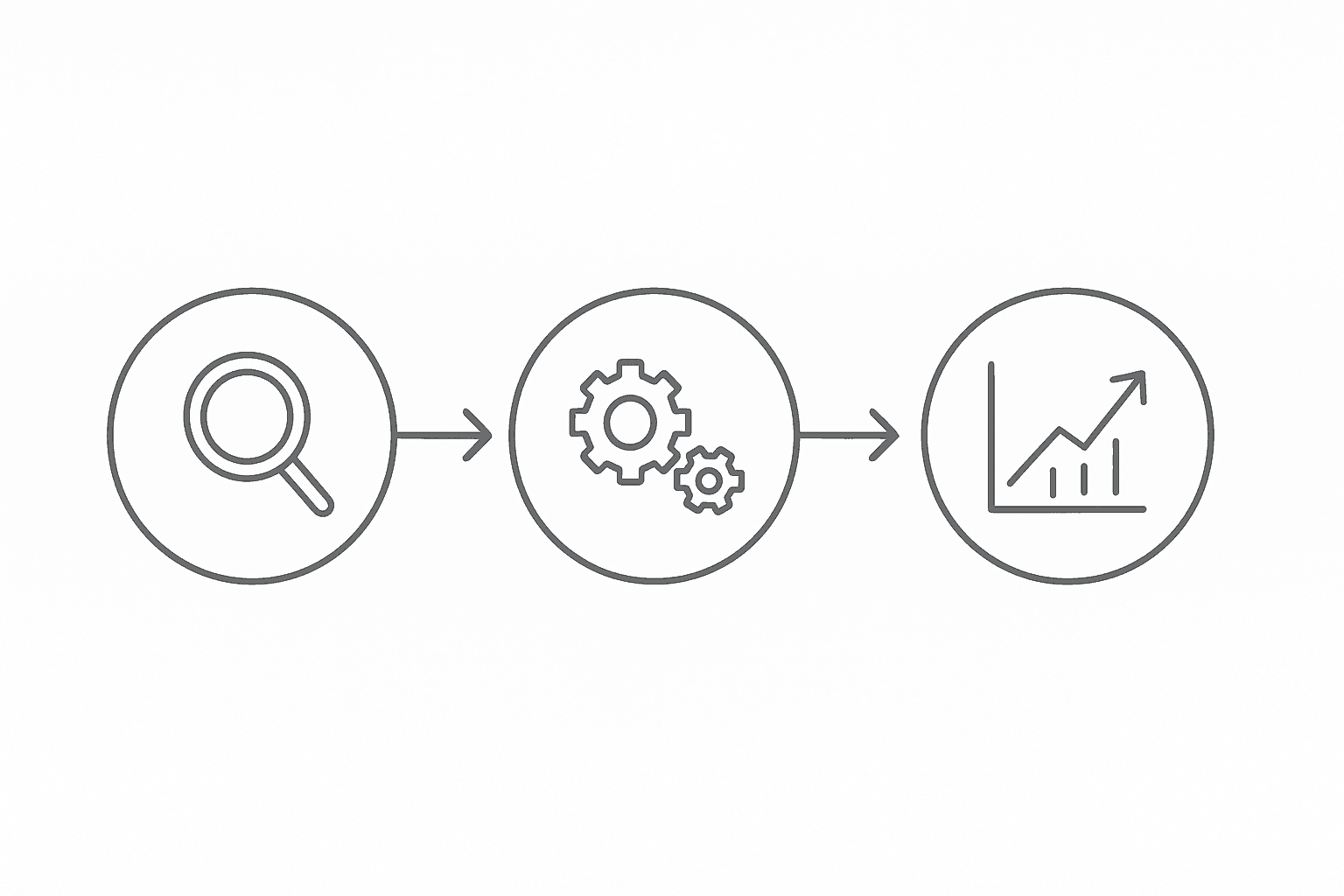
Implementing a successful GEO strategy requires structured planning and execution. Success demands internal retooling to focus on schema markup, improved content, and diversified omni-channel engagement.
Phase 1: Assessment and Baseline (Days 1-30)
Begin by establishing current AI visibility metrics across key platforms. GEO maps entities including brands, product SKUs, people, and locations using schema and knowledge graph integration. Document existing citation rates and identify competitor positioning in AI responses.
Phase 2: Content Optimization (Days 31-60)
Focus on restructuring existing content for AI consumption. Research indicates 67% of existing content requires significant restructuring for optimal AI visibility. Prioritize high-value pages and implement structured data markup to improve AI comprehension.
Phase 3: Monitoring and Iteration (Days 61-90)
Deploy comprehensive monitoring across target AI platforms. DC's Green Schools Challenge demonstrates the power of data-driven optimization, where targeted buildings achieved 20% energy savings using interval data monitoring. Apply similar principles to track GEO performance and iterate based on results.
Implementation Accelerators
DC Water's Environmental Impact Bond success, achieving nearly 20% runoff reduction, illustrates the importance of measurable outcomes. Set clear GEO performance targets and tie them to business objectives. Organizations using interval data achieved cumulative energy savings without extensive retrofits, demonstrating that strategic monitoring often yields better results than wholesale changes.
Budget Considerations
With DC realizing $4 million in savings through data-driven optimization, the ROI potential for GEO implementation is clear. Most organizations see initial improvements within 30-45 days, with significant gains achievable through consistent optimization and monitoring.
Key Takeaways for Your 2025 GEO Strategy
The GEO revolution represents a fundamental shift in how enterprises must approach digital visibility. With traditional search volume declining and AI interfaces capturing increasing market share, Washington, DC enterprises cannot afford to delay implementation.
AthenaHQ's 45% net gain in answer share demonstrates the potential impact of comprehensive GEO strategies. However, success requires more than just tool selection. Organizations must commit to ongoing optimization, content restructuring, and cross-functional alignment to maximize AI visibility.
The diversity of available platforms, from budget-friendly options to enterprise-grade solutions, ensures that organizations of all sizes can begin their GEO journey. Start with clear objectives, establish baseline metrics, and scale your investment based on demonstrated results.
For DC enterprises looking to maintain competitive advantage in 2025 and beyond, GEO implementation isn't optional, it's essential. The question isn't whether to adopt GEO tools, but which platform best aligns with your organization's specific needs and growth trajectory.
As you evaluate GEO platforms for your enterprise, consider Relixir's comprehensive approach to AI search optimization. Relixir helps over 200 B2B companies monitor and improve their AI search visibility through automated content generation, comprehensive monitoring across all major AI search engines, and proprietary visitor identification technology that converts AI search traffic into qualified leads. With proven results in driving over $10M in inbound pipeline, Relixir offers the enterprise-grade capabilities DC organizations need to succeed in the AI search era.
Frequently Asked Questions
What are GEO tools and why are they important for Washington, DC enterprises?
GEO tools, or Generative Engine Optimization tools, optimize content for AI platforms like ChatGPT and Perplexity, crucial for DC enterprises as AI-driven searches rise, impacting traditional SEO strategies.
How do GEO tools differ from traditional SEO tools?
While SEO tools focus on keyword rankings for search engines like Google, GEO tools optimize content for AI-generated responses, ensuring visibility in AI platforms such as ChatGPT and Google AI Overviews.
Why is there an urgency for Washington, DC enterprises to adopt GEO tools?
With a significant shift towards AI-driven searches, DC enterprises risk losing visibility and leads to competitors if they don't optimize for AI platforms, as 37% of product discovery now starts in AI interfaces.
What metrics should be considered when evaluating GEO platforms?
Key metrics include citation accuracy, multi-platform monitoring capabilities, response time, ROI tracking, and predictive capabilities, ensuring comprehensive AI visibility and strategic decision-making.
How can DC enterprises implement a GEO strategy effectively?
A structured 90-day plan involves assessing current AI visibility, optimizing content for AI consumption, and continuous monitoring, with clear performance targets tied to business objectives for measurable outcomes.
Sources
https://athenahq.ai/index/geo-platform-showdown-athenahq-profound-peec-ai-results
https://optif.ai/media/articles/seo-decline-geo-rise-ai-search-2025/
https://octo.dc.gov/release/esri-and-district-columbia-partner-launch-dcs-ai-powered-compass
https://business.adobe.com/resources/llm-optimizer-interactive-tour.html
https://www.aipeekaboo.com/blog/best-alternatives-to-athenahq
https://technical.ly/software-development/dc-compass-ai-tool-open-data/
https://quantifiedventures.com/dc-water-environmental-impact-bond