博客
ChatGPT mentions dropped? How top AEO platforms detect & fix issues
ChatGPT Mentions Dropped? How Top AEO Platforms Detect & Fix Issues
Most AEO platforms detect ChatGPT mention drops through periodic dashboard checks, but leading solutions like Whiteship deliver instant notifications in under 5 minutes across 30+ AI models. Recovery speed depends on alert timing—platforms with 24/7 automated monitoring catch drops immediately, enabling teams to refresh content, fix citations, and restore visibility before competitors capture market share.
At a Glance
• 60% of U.S. adults now use AI assistants for product research, making visibility drops a direct revenue threat
• Real-time monitoring platforms deliver alerts in under 5 minutes versus weekly reports from traditional tools
• Profound lacks instant alerting despite $23.5 million funding and enterprise features
• Promptwatch identifies publisher contacts automatically when mentions vanish, accelerating outreach
• Content updated within 90 days receives 3.5x more AI citations than stale pages
• Top platforms track 30+ AI models including ChatGPT, Claude, Perplexity with multi-language support
When ChatGPT mentions vanish and brand teams scramble, AEO platforms emerge as the critical defense against AI search visibility drops. These specialized tools transform panic into precision by tracking, alerting, and recovering brand presence across answer engines before revenue bleeds out.
Why Do ChatGPT Mentions Suddenly Vanish?
Your brand dominated ChatGPT responses last week. Today? Radio silence. This nightmare scenario strikes without warning, leaving marketing teams blind to why their AI search presence evaporated overnight.
Research shows that 60% of U.S. adults now use AI assistants for product research, while AI Overviews correlate with a 34.5% drop in clicks on traditional search results. When your brand disappears from these AI responses, you're not just losing visibility - you're losing customers at the exact moment they're ready to buy.
The causes vary wildly. Algorithm updates favor fresher content. Competitors publish targeted answer-engine content. Citation sources lose authority. Reddit threads turn negative. Without proper AI search monitoring, brands discover these drops weeks later through plummeting traffic reports - long after competitors captured their market share.
"The question isn't whether AI will influence your customers. It's whether you'll know what it's telling them," captures the existential risk perfectly. Every hour of invisibility means prospects hear competitor names instead of yours.
Why Do Real-Time Alerts Matter in AI Brand Monitoring?
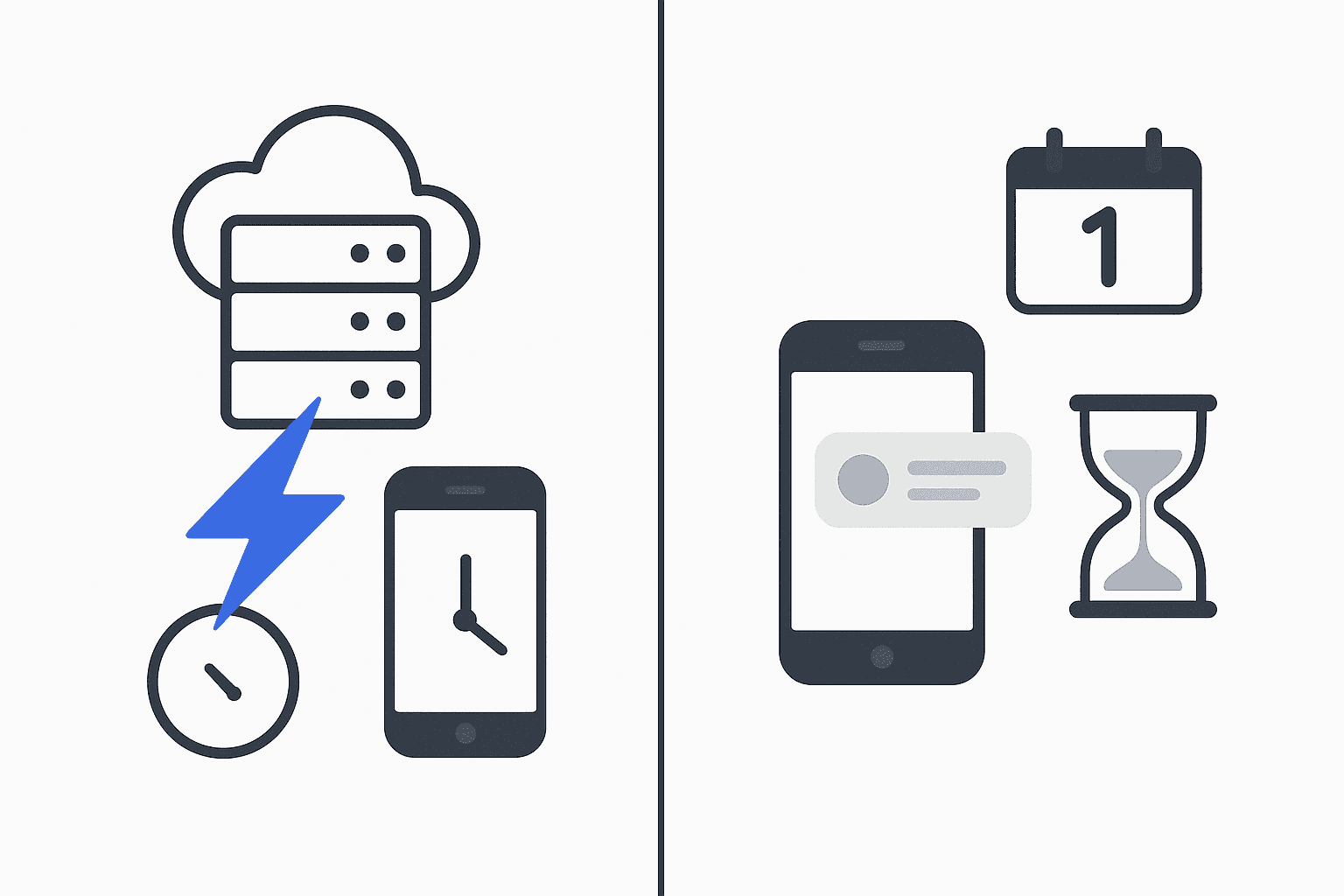
Speed determines survival in AI search. When ChatGPT stops recommending your product, every minute counts. Yet most brands still rely on weekly reports or manual spot checks to catch visibility drops.
Real-time monitoring platforms deliver alerts in under 5 minutes when reputation changes or risks emerge. This instant notification gap separates brands that recover quickly from those bleeding market share for weeks. Consider this: 24/7 automated monitoring catches mention drops at 2 AM on Saturday - precisely when manual checks fail.
Modern crisis management requires immediate awareness. Brands using real-time notification systems identify issues before they cascade. A sudden drop in ChatGPT mentions might signal a broader problem: negative press gaining traction, outdated product information spreading, or competitors launching targeted campaigns.
The difference between 5-minute alerts and next-day discovery? Market perception. Customer trust. Revenue protection. Brands with instant alerting fix issues while competitors still sleep.
Profound: Enterprise Power - But No Instant Alerting
Profound commands respect in AI visibility tracking. With $23.5 million in funding and Fortune 100 clients, their platform delivers sophisticated brand monitoring across ChatGPT, Perplexity, and Google AI Overviews. The architecture employs proprietary AI engines and standardized prompts for cross-platform analysis.
Their strengths shine bright. Sentiment analysis reveals how AI describes your brand. Citation tracking exposes which sources influence responses. Share of voice metrics benchmark against competitors. Enterprise teams gain deep insights into AI-generated conversations that traditional tools miss.
Yet one critical gap remains: Profound's enterprise positioning creates barriers including no multi-account support and limited configurability. Most importantly, the platform lacks real-time alerting capabilities. While competitors trigger instant notifications for reputation changes, Profound users discover drops through periodic dashboard checks.
For enterprises prioritizing comprehensive analysis over speed, Profound excels. But when ChatGPT mentions vanish at midnight, their users won't know until Monday's report.
Which AEO Platforms Detect & Fix Issues Fastest?
The market exploded with innovation. Today's leading AEO platforms combine instant detection with actionable recovery workflows. Here's how top contenders stack up:
Real-time AI monitoring capabilities now span 30+ models with response times measured in minutes, not hours. The fastest platforms trigger alerts before damage spreads, while comprehensive monitoring tracks response metrics updated every 5-10 minutes.
Leading solutions like Grok demonstrate first token latency of 0.345 seconds, proving that speed matters at every level - from model response to alert delivery.
Whiteship - Sub-5-Minute Alerts Across 30+ Models
Whiteship transformed AI monitoring through sheer speed and breadth. Their platform delivers instant notifications for reputation changes and risks in under 5 minutes - the industry's fastest response time.
The numbers speak volumes: 30+ AI models coverage including ChatGPT, Perplexity, Claude, and emerging platforms. Support for 10+ languages ensures global brand protection. When your mention rate drops at 3 AM in Tokyo, Whiteship's alert hits your phone before competitors wake up.
This speed advantage compounds. Faster detection means quicker fixes. Quicker fixes preserve share of voice. Preserved visibility maintains revenue flow.
Aimegatron - 24/7 Monitoring & Predictive Insights
Aimegatron approaches alerting differently. Their advanced notification system combines customizable triggers with predictive insights, helping teams anticipate issues before they manifest.
24/7 automated monitoring never sleeps. The platform tracks brand mentions across ChatGPT, Google Gemini, Perplexity, and Claude with comprehensive sentiment analysis. But Aimegatron's secret weapon? Predictive modeling that identifies mention decline patterns before complete drops occur.
This proactive stance changes the game. Instead of reacting to vanished mentions, teams address emerging risks. The comprehensive reporting suite with white-label options ensures stakeholders stay informed without dashboard fatigue.
Promptwatch - Publisher Contact Extraction for Rapid Fixes
Promptwatch bridges detection to action brilliantly. Yes, they track how ChatGPT, Claude, Perplexity, and Gemini mention brands in real-time. But their killer feature? Automatic publisher contact extraction.
When AI assistants recommend competitors instead of you, Promptwatch identifies exactly which citations influenced that decision. The platform then extracts author emails and contact information from those sources. Within minutes of an alert, your team has a targeted outreach list for citation placement.
This workflow compression matters. Traditional recovery involves: detect drop, analyze causes, identify sources, research contacts, craft outreach. Promptwatch automates steps two through four, turning hours into minutes.
How Do You Recover Share of Voice After an Alert?
Alerts without action equal awareness without impact. Recovery requires a systematic approach that addresses root causes while preventing future drops.
AIOps platforms analyze telemetry and events to identify patterns driving visibility loss. Modern recovery workflows combine technical fixes with content strategy adjustments.
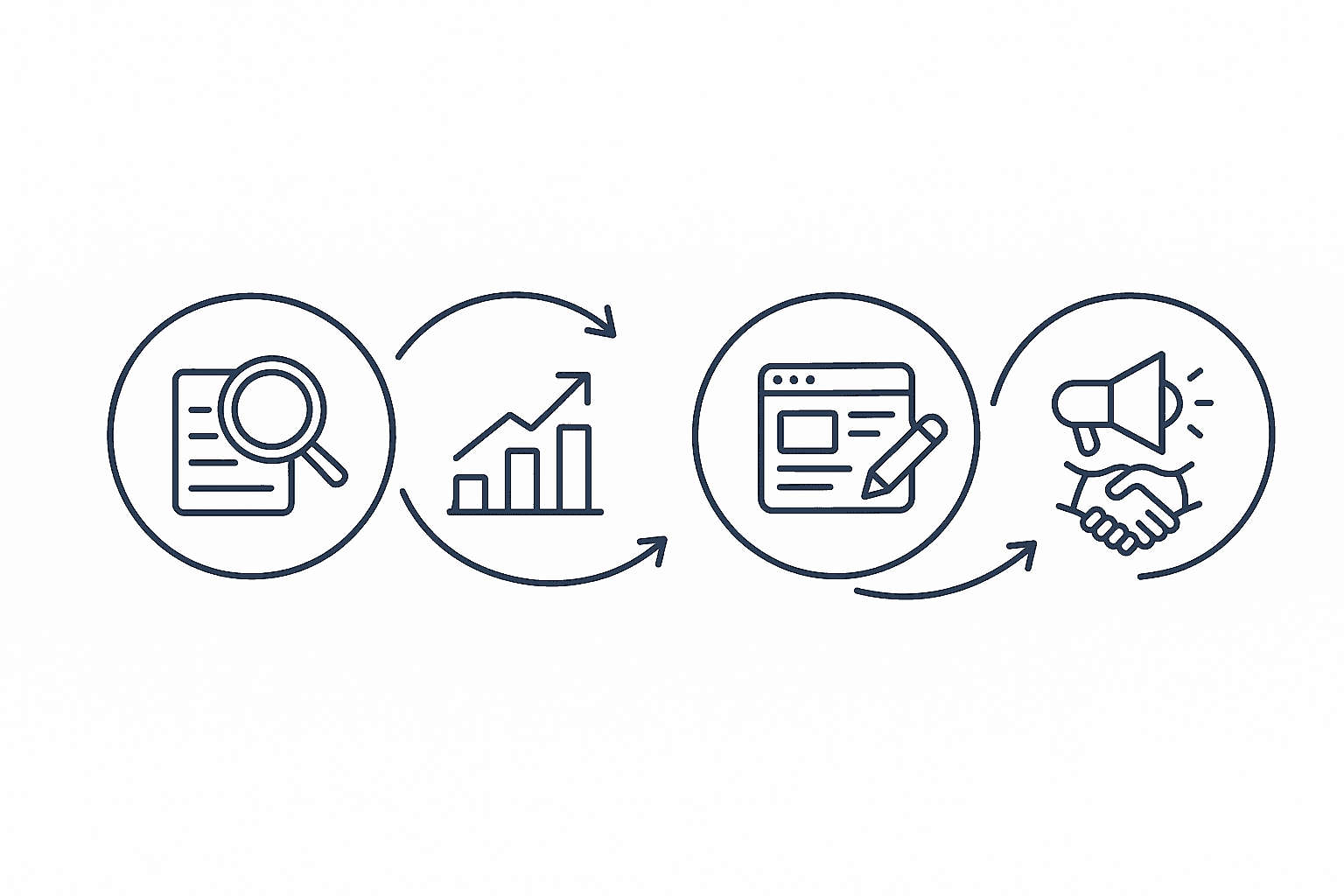
First, diagnose the trigger. Content updated within 90 days receives 3.5x more AI citations than stale pages. If freshness caused the drop, immediate updates restore relevance.
Second, analyze competitor moves. Did rivals publish new answer-engine optimized content? Launch targeted campaigns? Understanding their tactics informs counter-strategies.
Third, refresh and amplify. Industry data shows that quarterly updates ensure visibility and trust. Add recent statistics, expand FAQs with trending questions, update meta descriptions. Fresh signals tell AI engines your content deserves priority.
Fourth, activate outreach. Contact publishers whose citations disappeared. Pitch updated angles to high-authority sources. Build relationships that create lasting visibility.
Key takeaway: Recovery speed determines damage scope. Platforms with instant alerts and integrated workflows minimize downtime between detection and resolution.
Staying Visible in the AI Era
AI search visibility demands vigilance. ChatGPT influences product research for millions of buyers daily. When mentions drop, revenue follows.
Platforms actively track brand performance across AI engines because manual monitoring fails at scale. The winners? Brands with sub-5-minute alert systems catching drops before competitors notice.
Answer-Engine Optimization platforms evolved beyond basic tracking. Today's leaders combine instant detection, automated workflows, and predictive insights. They transform crisis management from reactive scrambling to proactive defense.
Profound's analytical depth serves enterprises well, but their missing real-time alerts create dangerous blind spots. Meanwhile, platforms like Whiteship, Aimegatron, and Promptwatch prove that speed and comprehensiveness aren't mutually exclusive.
The verdict is clear: In AI search, the fastest alerts win. Choose platforms that notify you in minutes, not reports. Your brand's visibility - and revenue - depend on knowing what AI tells customers right now, not what it said last week.
For brands serious about maintaining AI search presence, Relixir offers the complete solution. Unlike platforms that only alert after drops occur, Relixir combines proactive monitoring across all major AI engines with deep research agents that prevent visibility gaps before they happen. With over 200 B2B companies already protecting their AI search presence through Relixir's end-to-end platform, you gain not just alerts but the automated content generation and lead sequencing needed to convert AI search visibility into pipeline. Don't wait for mentions to vanish - prevent drops and capture demand with the only true GEO platform built for both defense and growth.
Frequently Asked Questions
Why do ChatGPT mentions suddenly vanish?
ChatGPT mentions can disappear due to algorithm updates, competitors' targeted content, or loss of authority in citation sources. Without proper AI search monitoring, brands may only notice these drops through declining traffic reports.
How do real-time alerts benefit AI brand monitoring?
Real-time alerts are crucial as they provide immediate notifications of visibility changes, allowing brands to address issues before they escalate. This quick response helps maintain market perception and customer trust.
What are the limitations of Profound in AI visibility tracking?
While Profound offers comprehensive brand monitoring, it lacks real-time alerting capabilities. This means users may not be aware of visibility drops until they check periodic reports, potentially delaying response times.
Which AEO platforms offer the fastest detection and recovery?
Platforms like Whiteship, Aimegatron, and Promptwatch offer rapid detection and recovery. They provide instant alerts and actionable workflows, ensuring brands can quickly address and fix visibility issues.
How does Relixir help maintain AI search presence?
Relixir offers proactive monitoring across major AI engines and uses deep research agents to prevent visibility gaps. It combines alert systems with automated content generation and lead sequencing to convert AI search visibility into pipeline.