Blog
SEMrush can't track AI search? 5 AEO platform alternatives
SEMrush can't track AI search? 5 AEO platform alternatives
SEMrush's AI Toolkit offers basic AI visibility tracking but lacks the real-time monitoring, multi-engine coverage, and technical capabilities needed for comprehensive AI Engine Optimization. While it provides weekly visibility scores and basic prompt tracking, specialized AEO platforms deliver continuous monitoring across multiple AI engines, JavaScript rendering solutions, and instant indexing features that better address modern AI search requirements.
TLDR
SEMrush's AI Toolkit provides weekly updates and basic prompt tracking starting at $99/month, but lacks real-time monitoring capabilities
Modern AEO requires multi-engine coverage across ChatGPT, Perplexity, Claude, and emerging platforms that SEMrush doesn't fully support
Technical limitations include inability to handle JavaScript rendering, which affects 60-90% of modern websites
Alternative platforms like Profound run 3M+ daily prompts with continuous tracking versus SEMrush's weekly updates
Specialized tools address specific gaps: Alli AI solves JavaScript rendering issues, ShowUpInAI enables instant Bing indexing for AI discovery
Enterprise AEO platforms offer compliance controls, SSO support, and approval workflows that SEMrush's SMB-focused toolkit doesn't provide
Why AI search rewrites visibility rules—and where SEMrush struggles
AI answer engines now gate discovery. Whether customers ask ChatGPT, Perplexity, or Google's AI Overviews, your brand may be summarized, cited—or omitted—without a single click to your site. This fundamental shift has transformed how businesses must approach visibility.
AI Overviews reduce website clicks by over 30% even as visibility grows, challenging traditional metrics that focus solely on rankings. The Semrush AI Visibility Toolkit shows you how brands appear in AI-generated answers, helping you measure a new layer of visibility beyond traditional approaches. However, this tool represents just the beginning of what's needed for comprehensive AI Engine Optimization.
The landscape has shifted dramatically. Today's AI engines process queries differently than traditional search, requiring new approaches to content optimization and visibility tracking that go beyond conventional SEO tactics.
Where does SEMrush's AI Toolkit fall short for AEO?
SEMrush's AI Toolkit still leans on classic crawl metrics, updating weekly rather than providing real-time insights. The AI Site Audit checks your website for technical issues that might prevent AI bots from crawling your content, but misses critical real-time factors.
The technical limitations are significant. AI crawlers can't execute JavaScript, missing 60-90% of modern website content. Additionally, zero-click results hit 65% in 2023 and continue climbing, fundamentally changing how brands must approach visibility. This creates a gap between what traditional tools measure and what actually drives AI visibility.
While SEMrush offers basic AI visibility features, competing platforms run millions of daily prompts across multiple AI engines, providing the comprehensive monitoring that modern brands require. The weekly update cycle and limited crawler coverage leave significant blind spots in understanding your true AI search presence.
What metrics matter when selecting an AEO platform?
Selecting the right AEO platform requires understanding which metrics truly impact your AI visibility. Over 100 AI brand monitoring tools compete for your attention: each with different approaches, capabilities, and price points.
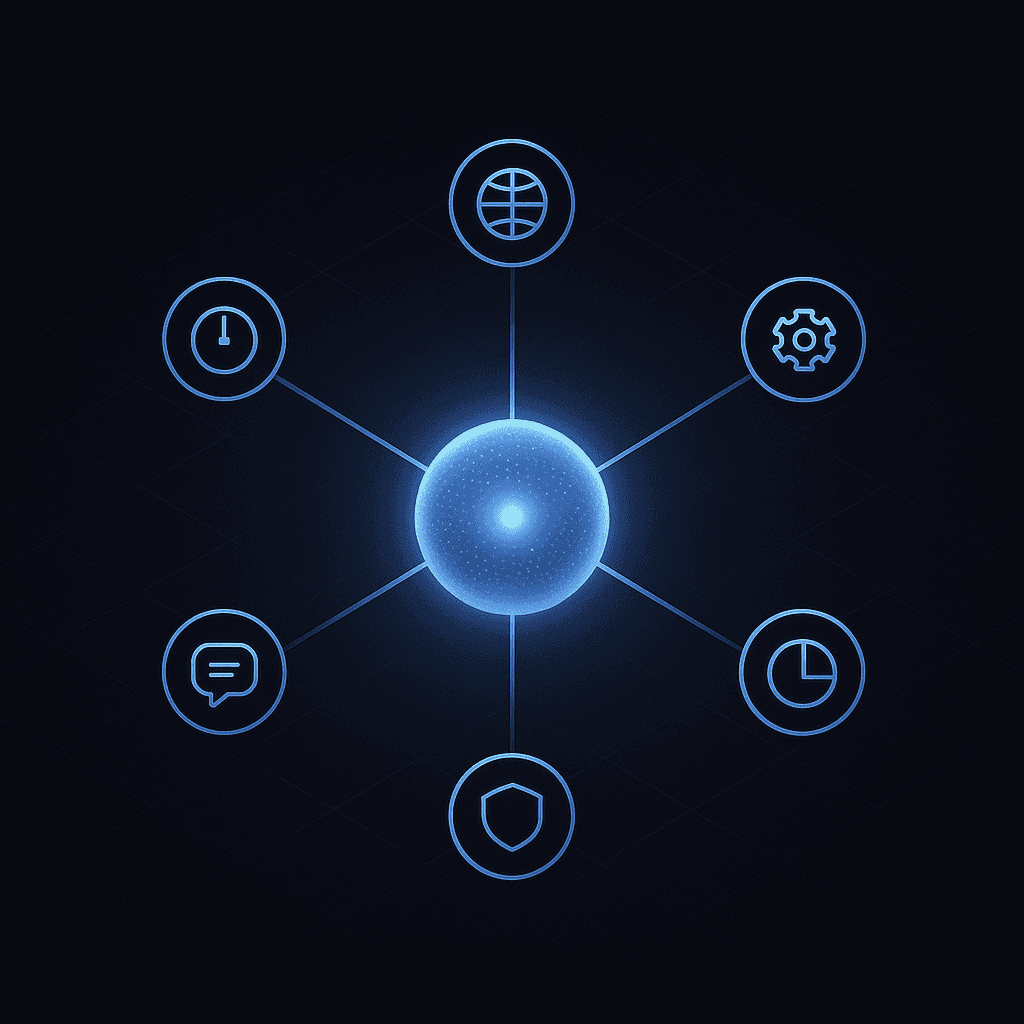
Key evaluation criteria for AEO platforms include:
Multi-engine coverage: Support for ChatGPT, Perplexity, Claude, Gemini, and emerging AI platforms
Real-time monitoring: Daily or continuous prompt tracking versus weekly updates
Crawler compatibility: Ability to handle JavaScript rendering and bypass security blocks
Citation tracking: Monitoring where and how your brand appears in AI responses
Competitive analysis: Gap detection and share of voice measurement
Enterprise features: Compliance controls, SSO, and approval workflows
GPTBot is blocked by 35% of enterprise sites using Cloudflare or similar protection, making crawler enablement a critical consideration. The Share of Voice metric represents the percentage of mentions your brand receives in AI-generated answers compared to competitors in your market: a crucial benchmark for AEO success.
The 5 best SEMrush AEO alternatives in 2026
The AEO landscape offers powerful alternatives that address SEMrush's limitations. Here are five platforms leading the charge in AI search optimization.
1. Profound
Profound runs 3M+ daily prompts across ChatGPT, Google AI Mode, Gemini, Microsoft Copilot, Perplexity, and more. This continuous tracking at scale provides enterprise-grade monitoring with SOC 2 Type II compliance and SSO support. Unlike SEMrush's weekly updates, Profound delivers real-time insights essential for fast-moving markets.
The platform's broad engine coverage positions it for comprehensive monitoring across the evolving AI landscape, making it ideal for enterprises requiring robust governance features.
2. Peasy
Peasy transcends traditional analytics by combining standard web metrics with deep AI visibility. The platform tracks ChatGPT, Perplexity, Gemini, Claude, and Deepseek alongside human activity, offering unparalleled granularity in understanding AI-driven interactions.
Peasy's unique approach integrates AI referral data with web analytics, using server-side architecture for GDPR-compliant tracking without invasive cookies. This merger of AI traffic insights with traditional metrics provides a complete picture of digital performance.
3. Alli AI Crawler Enablement
Alli AI addresses the JavaScript problem that plagues 60-90% of modern websites. The platform automatically detects AI crawlers and serves them pre-rendered static HTML, ensuring full content visibility without platform changes.
Clients typically see 40-60% increases in total visibility, with some reporting 3x improvements in AI-driven traffic. This specialized solution tackles the technical barriers that prevent AI engines from accessing your content.
4. ShowUpInAI
ShowUpInAI pushes every URL instantly to Bing via IndexNow, critical for discovery by ChatGPT, Microsoft Copilot, and Perplexity. The platform discovers and scans pages daily, automatically spotting new or updated content.
With pricing starting at $14.99/month, ShowUpInAI offers an affordable entry point for businesses wanting immediate AI visibility improvements. Major AI tools rely heavily on Bing's index, making this rapid indexing crucial for AI citations.
5. BrightEdge AI Catalyst
BrightEdge AI Catalyst provides complete visibility across traditional and AI search. The platform tracks brand presence across ChatGPT (500M weekly users), Perplexity, and Google's AI Overviews with real-time intelligence and targeted recommendations.
BrightEdge's cross-channel approach helps brands navigate the AI landscape where 68% of consumers trust AI-generated information. The platform pioneered new approaches to mapping AI-influenced customer journeys.
Which AEO suite fits your needs? Feature & pricing snapshot
Comparing AEO platforms requires understanding their core strengths and pricing models:
Platform | Key Strength | Starting Price | Update Frequency |
|---|---|---|---|
Profound | 3M+ daily prompts across 10 engines | $99/month | Continuous |
Peasy | €89/month | Real-time | |
Alli AI | JavaScript rendering for AI crawlers | Custom pricing | Real-time |
ShowUpInAI | Instant Bing indexing | $14.99/month | Daily |
BrightEdge | Enterprise cross-channel visibility | Custom pricing | Real-time |
Black SEO Analyzer | $249 one-time | On-demand |
Each platform addresses different pain points. Profound excels at scale, Peasy merges analytics streams, while specialized tools like Alli AI solve specific technical challenges that broader platforms miss.
How to choose the right AEO stack for 2026 and beyond
Selecting your AEO platform requires a strategic evaluation process. Start by assessing your current challenges and future needs.
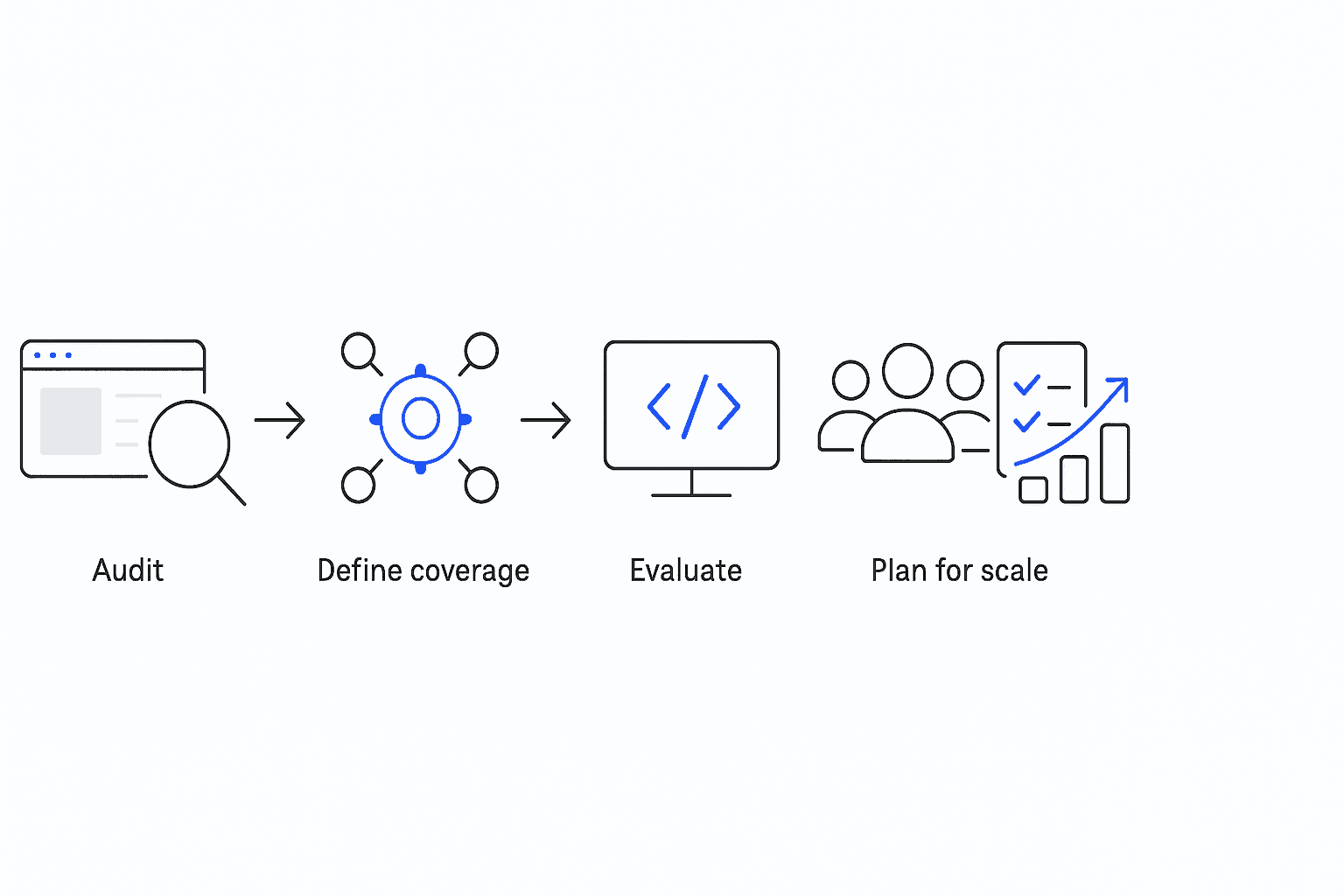
Step 1: Audit your current AI visibility gaps
One brand achieved a 1,400% lift in AI referral traffic in just 28 days by identifying and addressing visibility gaps. Begin by understanding where AI engines currently place your brand.
Step 2: Define your coverage requirements
Determine which AI engines matter most to your audience. When an AI tool mentions a brand, that brand sees a 38% boost in organic clicks and a 39% increase in paid ad clicks.
Step 3: Evaluate technical capabilities
Consider your website's architecture and whether AI crawlers can access your content. JavaScript-heavy sites need specialized solutions.
Step 4: Assess resource availability
Brands implementing comprehensive GEO strategies typically see results within 30 days, but success requires dedicated resources for content optimization and monitoring.
Step 5: Plan for scale
Choose platforms that can grow with your needs, offering enterprise features like compliance controls and approval workflows as you expand.
Key takeaways
AI engines are rewriting the playbook. Traditional SEO's focus on individual keywords gives way to entity understanding, topical authority, and real-time context. This shift demands new tools and strategies.
The AEO platform landscape offers specialized solutions far beyond SEMrush's basic AI toolkit. Whether you need enterprise-scale monitoring, technical crawler solutions, or affordable entry points, alternatives exist for every requirement.
The platform's ability to flip AI rankings in under 30 days while requiring no developer lift makes modern AEO tools essential for competitive visibility. Over half of B2B buyers now ask ChatGPT, Perplexity, or Gemini for vendor shortlists before visiting Google results.
For businesses serious about AI search dominance, the choice is clear: specialized AEO platforms deliver the comprehensive monitoring, technical solutions, and rapid results that traditional SEO tools can't match. Consider exploring Relixir's End-to-End GEO Platform, which simulates thousands of buyer questions, detects gaps automatically, and publishes optimized content to flip AI rankings in under 30 days: providing the complete AEO solution modern brands need.
Frequently Asked Questions
What are the limitations of SEMrush's AI Toolkit for AEO?
SEMrush's AI Toolkit primarily relies on classic crawl metrics and updates weekly, lacking real-time insights. It also struggles with JavaScript execution, missing a significant portion of modern website content, which affects AI visibility.
Why is real-time monitoring important for AEO platforms?
Real-time monitoring allows businesses to track AI search visibility continuously, providing immediate insights into how their brand is represented across various AI engines. This is crucial for adapting strategies quickly in a fast-evolving digital landscape.
What metrics should be considered when selecting an AEO platform?
Key metrics include multi-engine coverage, real-time monitoring capabilities, crawler compatibility, citation tracking, competitive analysis, and enterprise features like compliance controls and SSO.
How does Relixir's platform enhance AI search visibility?
Relixir's platform optimizes landing pages for AI crawlers, monitors AI search presence, and generates GEO-optimized content. It tracks AI search traffic and provides comprehensive metrics, making it a robust alternative to traditional SEO tools.
What are some top alternatives to SEMrush for AEO?
Top alternatives include Profound, Peasy, Alli AI, ShowUpInAI, and BrightEdge. These platforms offer features like real-time monitoring, JavaScript rendering for AI crawlers, and comprehensive AI visibility tracking.