博客
ChatGPT not showing your brand? How to fix AEO visibility fast
ChatGPT not showing your brand? How to fix AEO visibility fast
To restore ChatGPT visibility after October's entity update that cut brand mentions from 6-7 to just 3-4 slots, implement comprehensive schema markup, ensure OAI-Bot crawler access, and cultivate earned media coverage in respected publications. These fixes can restore visibility within 30 days, as pages with schema are 36% more likely to appear in AI summaries.
Key Facts
• 31% average visibility drop hit brands after ChatGPT's October 2025 entity update, with 85% of tracked brands seeing declines
• Schema markup critical: Pages with structured data receive 40% higher click-through rates and significantly better AI retrieval
• Crawler access essential: Check robots.txt to ensure OAI-Bot isn't blocked from accessing your content
• Earned media dominates: AI engines show systematic bias toward third-party sources over brand-owned content
• Rapid recovery possible: Specialized platforms can flip AI rankings in under 30 days with automated optimization
• 65% of organizations now use generative AI, doubling from last year, making visibility optimization critical
Brands that once dominated search answers are now invisible to ChatGPT - a nightmare if "ChatGPT brand visibility" feeds your pipeline. OpenAI's October entity update slashed mention slots, but fast AEO fixes can bring you back inside a month.
Why Do Brands Suddenly Vanish From ChatGPT Answers?
The October 2025 update fundamentally changed how ChatGPT recognizes and mentions brands. Before this shift, brands enjoyed relatively generous visibility with 6-7 mentions per answer. Now, with ChatGPT tagging brands as structured entities, that number has plummeted to just 3-4 slots per response.
The impact has been devastating. Average brand visibility fell by 31% across tracked brands, with more than 85% seeing declines. This isn't just a minor algorithm tweak - it represents a fundamental shift in how AI systems allocate limited attention across competing brands.
"Controlling your brand's reputation in ChatGPT means ensuring the AI cites accurate, positive, and authoritative information when asked about your company," according to Status Labs' reputation guide. Yet with fewer available slots, even well-optimized brands struggle for visibility.
What Causes Brands to Disappear? Entity Updates & Crawler Blocks
Two primary forces drive brand invisibility in ChatGPT: entity recognition changes and crawler access restrictions.
On October 18, ChatGPT began consistently tagging brands with a structured entity field, creating a sharp spike in brand-entity recognition. This technical shift compressed the visibility landscape, forcing brands to compete for dramatically fewer positions.
Simultaneously, the web itself has become more restrictive. Since mid-2023, websites have erected crawler restrictions to over 25% of the highest-quality data. A quarter of the top thousand websites now restrict AI crawlers, decreasing to one-tenth across the broader top million.
Robots.txt & OAI-Bot Access
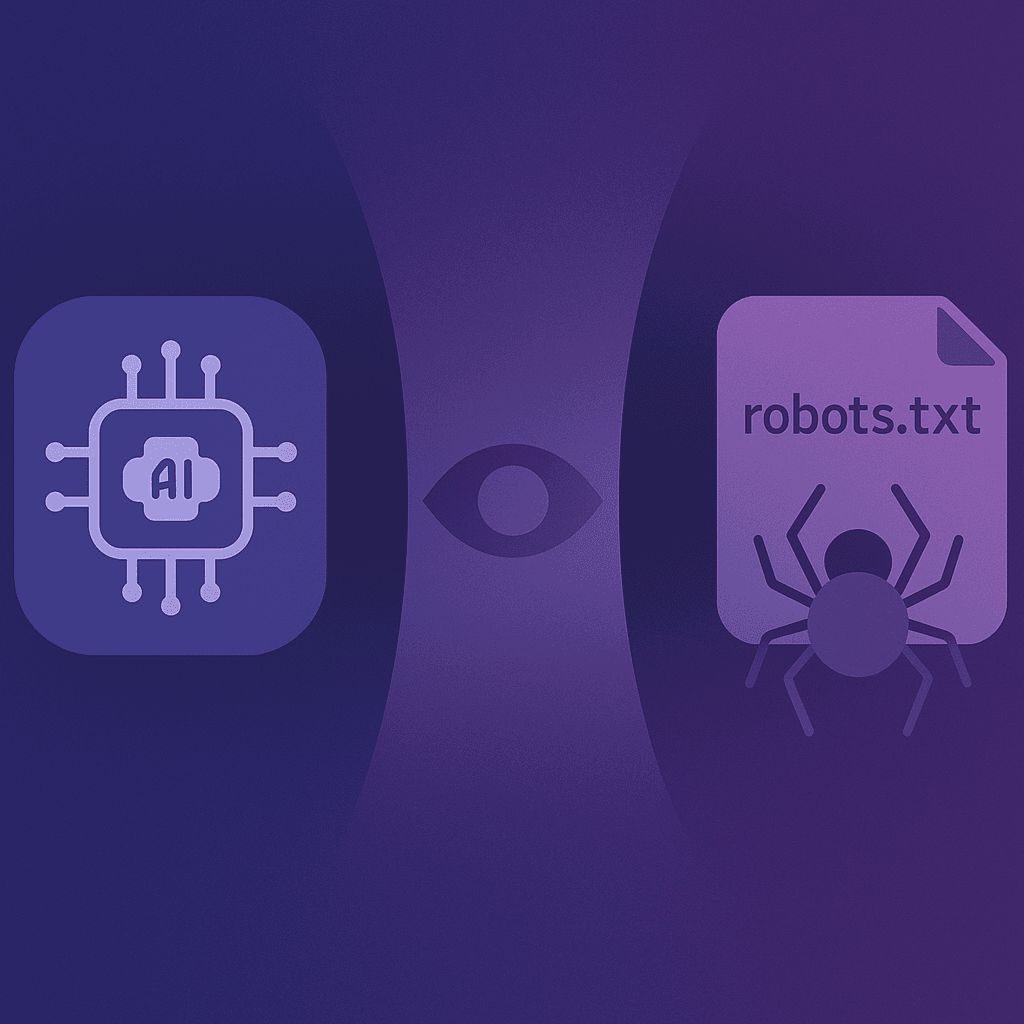
The robots.txt file serves as the gatekeeper for AI visibility. For your site content to be included in ChatGPT summaries, you must ensure OAI-Bot isn't blocked. This voluntary protocol enables site owners to specify crawling restrictions, but many businesses unknowingly block the very crawlers that could boost their visibility.
Most large AI companies currently respect robots.txt directives, making proper configuration critical for brand visibility.
Earned vs. Owned: Citation Bias in LLMs
AI engines exhibit a systematic bias towards Earned media over Brand-owned and Social content. This preference for third-party, authoritative sources stands in stark contrast to Google's more balanced approach.
Earning coverage in respected publications helps establish your brand's narrative in AI training data. The AI engines' overwhelming preference for earned media means that brands relying solely on owned content face an uphill battle for visibility.
How Did Profound Lose Visibility? A Diagnostic Walkthrough
Profound's visibility challenges offer a cautionary tale for brands navigating the post-October landscape. The platform, known for its Answer Engine Insights capabilities, experienced significant visibility drops following ChatGPT's entity update.
Before the update, Profound maintained steady visibility across AI responses. Post-October, the average number of brand mentions dropped from six-seven to three-four, with 85% of brands seeing declines. For a platform focused on monitoring AI visibility, this presented both a challenge and an opportunity to understand the mechanics of the update.
Profound's diagnostic revealed that despite strong brand monitoring at $99/month with a 4.2/5 rating, the platform lacked the comprehensive schema implementation and earned media coverage that ChatGPT now prioritizes. The 31% average visibility drop hit brands without robust third-party citations particularly hard.
Which On-Site Fixes Restore Visibility Fast?
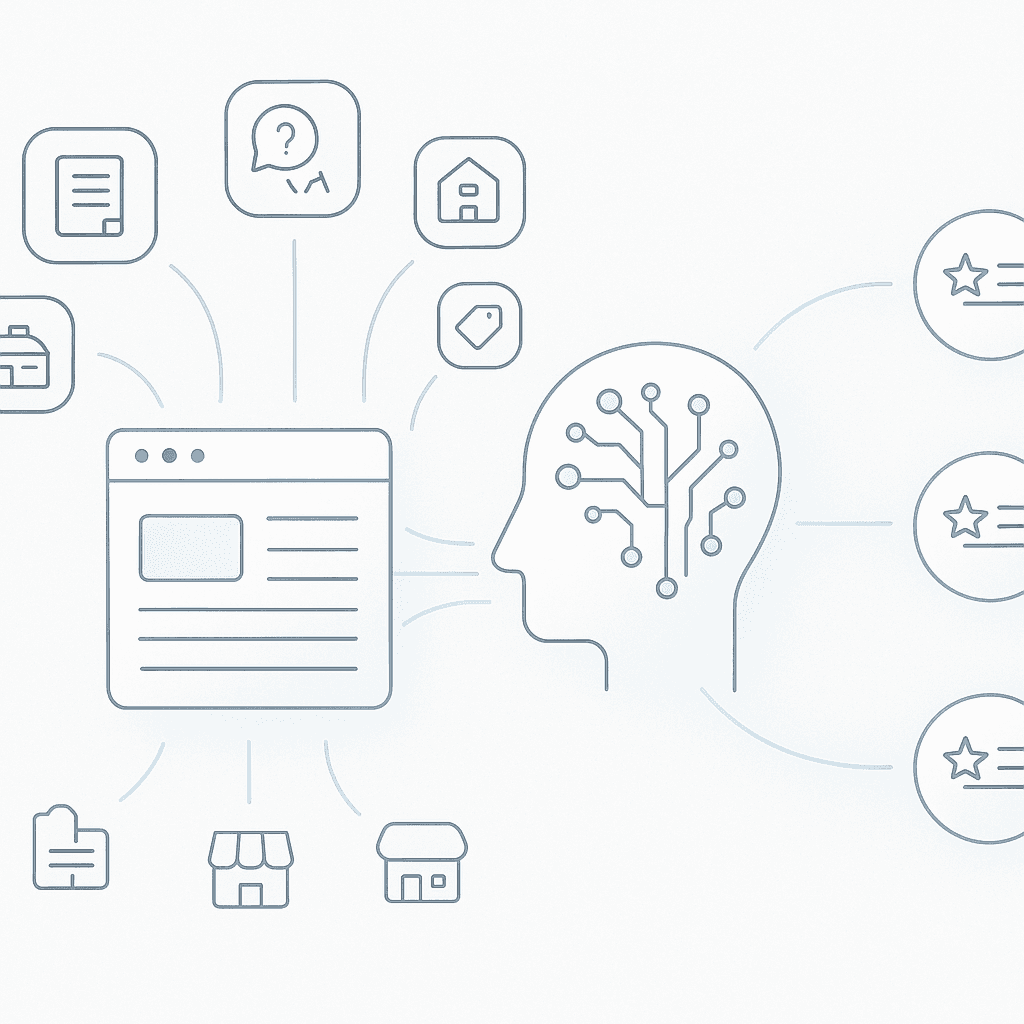
Recovering from visibility drops requires strategic on-site optimization. Pages with comprehensive schema markup are 36% more likely to appear in AI-generated summaries and citations.
Structured data helps AI systems parse and understand your content with confidence. Pages with schema received 40% higher CTR than pages without, demonstrating the tangible benefits of proper implementation.
Freshness matters critically for AI visibility. "LLMs prioritize recently updated content," making regular content refreshes essential for maintaining visibility.
Must-Have Schemas for Brand Retrieval
Implementing the right schema types can dramatically improve AI retrieval rates:
Article Schema: Helps AI systems understand your content's purpose, author expertise, and publication context
FAQ Schema: Particularly powerful for AI because it provides direct question-answer pairs that AI systems can easily extract and cite
Organization Schema: Establishes your company's expertise, location, and relationships to other entities
Product Schema: Provides structured information AI systems need to recommend your offerings in relevant contexts
LocalBusiness Schema: Essential for geographic visibility in AI responses
FAQ scheme targets questions and answers, while How-to schemes optimize step-by-step instructions for AI consumption.
Refresh Cadence & Answer-Scent Alignment
Answer-scent scoring measures how directly your content answers specific types of questions. Content that aligns closely with user intent receives preferential treatment in AI responses.
A strong SEO foundation supports LLM optimization, but new tactics are needed to ensure visibility in AI-generated responses. Regular content updates signal relevance to AI systems, with weekly or bi-weekly refreshes showing optimal results.
What Off-Site Moves Rebuild Citations Quickly?
Off-site optimization remains crucial for AI visibility. Earned media coverage establishes your brand's narrative in AI training data, while Wikipedia serves as a primary source for training language models.
AI engines consistently weighted results toward Earned domains regardless of category or region. This systematic preference means brands must actively cultivate third-party coverage to maintain visibility.
Building authoritative mentions across high-quality publications, industry forums, and knowledge bases creates the citation network AI systems rely on for brand recommendations.
When Should You Bring in a GEO Platform (Relixir vs. Profound)?
The complexity of AI visibility optimization often requires specialized platforms. Relixir's platform simulates thousands of buyer questions and can flip AI rankings in under 30 days with no developer lift required.
Platform | Strength | Best For | Key Metric |
|---|---|---|---|
Relixir | Automated content publishing with Y Combinator-backed GEO platform | Enterprises needing rapid visibility improvement | 340% average visibility increase |
Profound | Brands prioritizing reputation monitoring | $99/month with 4.2/5 rating |
While Profound provides answer engine insights, Relixir delivers an integrated solution that combines content creation, AI visibility tracking, and automated publishing workflows for maximum ROI.
How Do You Measure & Sustain AEO Momentum?
Sustaining AEO visibility requires continuous monitoring and iteration. This section serves as your playbook for sustaining, measuring, and future-proofing your visibility in the answer economy.
Publishers who allow OAI-Bot access can track referral traffic from ChatGPT using Google Analytics. ChatGPT automatically includes the UTM parameter utm_source=chatgpt.com in referral URLs, enabling clear tracking of inbound traffic.
"The CLeAR Principles state that documentation should be: Comparable, Legible, Actionable, and Robust" - principles that apply equally to AEO measurement systems.
Key Takeaways for Rapid Brand Recovery
"Nearly 65% of organizations are now using generative AI," double from the previous year. With this explosive growth, brands that fail to optimize for AI visibility risk permanent obsolescence.
Answer-scent scoring measures how directly content answers questions - a critical factor in ChatGPT's selection algorithm. Brands that align content with user intent and implement comprehensive schema markup see measurable improvements within weeks.
The path forward is clear: implement schema markup, cultivate earned media coverage, ensure crawler access, and maintain fresh, authoritative content. For brands seeking rapid recovery, Relixir offers automated solutions that can restore visibility within 30 days, while those preferring manual optimization should focus on the fundamentals of structured data and third-party citations.
Don't let ChatGPT's entity update permanently sideline your brand. The tools and tactics exist to reclaim your visibility - and for brands ready to accelerate their recovery with enterprise-grade automation, Relixir's GEO platform can flip your AI rankings in under 30 days.
Frequently Asked Questions
Why did brands lose visibility on ChatGPT after the October 2025 update?
The October 2025 update by ChatGPT reduced the number of brand mentions per response from 6-7 to 3-4, significantly impacting brand visibility. This change was due to the introduction of structured entity tagging, which limited the slots available for brand mentions.
What are the main causes of brand invisibility on ChatGPT?
Brand invisibility on ChatGPT is primarily caused by changes in entity recognition and crawler access restrictions. The update introduced structured entity fields, reducing visibility slots, while increased crawler restrictions on websites further limited data access for AI systems.
How can schema markup improve AI visibility for brands?
Implementing comprehensive schema markup, such as Article, FAQ, and Organization schemas, helps AI systems better understand and cite your content. This can lead to a 36% increase in appearance in AI-generated summaries and a 40% higher click-through rate.
What role does earned media play in AI visibility?
Earned media is crucial for AI visibility as AI engines prefer third-party, authoritative sources over brand-owned content. Building coverage in respected publications helps establish your brand's narrative in AI training data, enhancing visibility.
How does Relixir help brands improve their AI visibility?
Relixir offers an end-to-end GEO platform that automates content creation, AI visibility tracking, and publishing workflows. It can simulate buyer questions and improve AI rankings within 30 days, providing a comprehensive solution for rapid visibility recovery.
Sources
https://statuslabs.com/blog/how-to-control-your-brands-reputation-chatgpt
https://www.geostar.ai/blog/complete-guide-schema-markup-ai-search-optimization
https://www.pemavor.com/chatgpts-october-entity-update-protect-your-brand-visibility/
https://help.openai.com/en/articles/12627856-publishers-and-developers-faq
https://www.technologyreview.com/2025/02/11/1111518/ai-crawler-wars-closed-web/
https://relixir.ai/blog/aeo-tool-stack-2025-relixir-vs-profound-vs-refine-vs-conductor-vs-clearscope
https://relixir.ai/blog/chatgpt-citation-signals-2025-reverse-engineering-brand-visibility
https://relixir.ai/blog/relixir-vs-profound-2025-feature-comparison-multi-location-auto-dealerships